Nail Techs Face Lifelong Allergies from Uncured Acrylates
Nail technicians risk permanent contact dermatitis from skin exposure to uncured acrylates in gel and e-file dust, with under-curing identified as a major
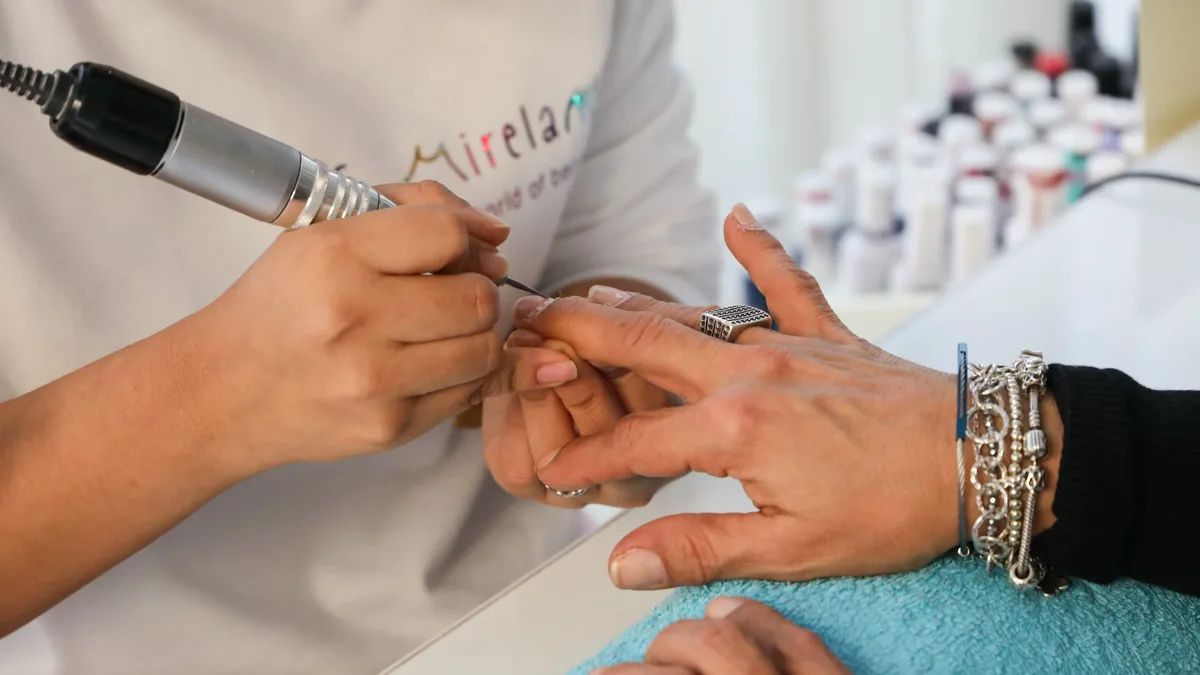
Uncured gel polish and microscopic e-file dust contain active acrylates that can penetrate the skin, triggering permanent contact dermatitis. According to an article from Nails Magazine, the true career-ending hazard in the salon is not only odors but skin absorption of these uncured chemicals.
Prominent cosmetic chemist and nail scientist Doug Schoon emphasizes that the biggest safety threat is the massive surge in skin allergies caused by under-cured products and dust. While acrylates and methacrylates are both part of the acrylic family, they have distinct chemical structures and risk profiles.
The Chemistry of Contact Dermatitis
Gel products do not evaporate. If uncured gel touches skin repeatedly through sloppy application, it can trigger a lifelong allergy. The allergy risk depends on the specific type of monomer used. Certain monomers are notorious for being potent sensitizers in their uncured, liquid state.
Schoon heavily emphasizes that under-curing is a direct industry crisis, often driven by cheap, weak, or mismatched UV/LED lamps. A gel enhancement can feel completely hard to the touch at only a 50% to 60% cure rate. True safety and chemical stability are only reached when a product achieves a 90% cure rate, turning the monomers into safe, inert polymers.
Ectopic Reactions and E-File Dust
An allergic reaction to acrylates does not always stay on the fingers. Primary symptoms include redness, itching, burning, swelling, and painful blistering around the nail beds. Because technicians frequently touch their own faces, necks, and eyes, uncured residue can transfer.
This leads to ectopic contact dermatitis, manifesting as severe swelling, redness, and peeling of the eyelids, lips, cheeks, and neck. Many technicians mistakenly attribute these symptoms to seasonal allergies or cosmetics.
Dust from e-files poses a massive skin allergy risk. Standard dust masks only protect lungs from large particles, leaving bare forearms, face, and eyelids vulnerable. If enhancements are under-cured, that microscopic dust is packed with active, unlinked allergens. When it settles on skin, the chemicals are absorbed, rapidly triggering severe contact dermatitis.
Critical Protection Measures
For a nail technician, a severe acrylate allergy is a permanent career-ender, with even minor future exposure causing painful reactions. The article outlines several critical protection measures.
Always use the exact UV/LED lamp recommended by the product manufacturer. Different gels require specific wavelengths and light intensities to reach a safe, 90% polymerization state.
Standard latex or vinyl gloves offer virtually zero protection. The chemical monomers can penetrate these materials in less than a minute. To protect hands, you must wear medical-grade nitrile gloves with a minimum thickness of 8 mils, or double-glove with thinner 4-mil nitrile gloves. Nitrile only acts as a temporary barrier, meaning gloves must be changed immediately if wet monomer or gel touches them.
Relying on standard table fans or passive dust collectors just circulates microscopic allergens around the room. True air safety requires a comprehensive approach.
Ventilation and Legal Compliance
Understanding salon safety is also a matter of legal compliance. In many jurisdictions, building codes have caught up to the chemistry. Under the International Mechanical Code (IMC) Section 403.3, nail salons are legally required to operate dedicated mechanical exhaust systems to capture chemical vapors and dust.
To meet IMC standards, a salon’s local exhaust ventilation must capture contaminants at their source before they enter the breathing zone, exhaust the captured air directly outdoors, and provide a specific minimum airflow rate measured in cubic feet per minute. The article, sponsored by Aerovex Systems, mentions their Whisper MiniVent Source Capture System as one engineered for such compliance.
The article concludes by noting that the same acrylates implicated in salon allergies are used in dental fillings and joint replacement bone cements, carrying potential medical consequences later in life.