Cure Times And Lamp Compatibility By Brand
| Brand | The manufacturer or product line name. |
|---|---|
| Country of origin | The nation where the brand is headquartered or primarily manufactures its products. |
| First created | The decade or century the brand or its core technology was first introduced. |
| Original use | The primary, intended application for which the system was designed. |
| Lamp type | The specific technology of the curing lamp required (e.g., UV LED, UV fluorescent, CCFL). |
| Peak wavelength | The primary emission wavelength of the required lamp, in nanometers (e.g., 365nm, 395nm). |
| Cure time range | The typical duration required for a full cure, from minimum to maximum (e.g., 30-60 seconds). |
| Compatible gel types | The categories of enhancement products designed for use with the system (e.g., hard gel, soft gel, polygel). |
Origin and history
The system of documenting cure times and lamp compatibility by brand originated within the professional nail enhancement industry in North America and East Asia during the 1990s. This framework developed concurrently with the widespread adoption of ultraviolet and later light-emitting diode curing lamps for acrylic and gel nail products. As manufacturers began producing proprietary gel formulations with specific photoinitiators, their curing performance became dependent on matching lamp wavelengths and intensities. The need for a standardized reference arose from widespread technician experiences of under-cured, sticky, or improperly set enhancements. This led to industry educators and product distributors beginning to compile cross-reference charts for their specific product lines. The practice became a formalized system of knowledge as major brands started publishing official compatibility lists and recommended exposure times for their own devices.
What it is for
This system serves as a critical technical reference for achieving a complete polymerization of gel-based nail enhancement products. Its primary function is to ensure that a specific gel product from a given brand cures to its maximum hardness and durability when used under a specific curing lamp. It provides the exact duration, measured in seconds, that a product must be exposed to the lamp's light to properly set. This framework directly prevents the common issue of under-curing, which leaves enhancements soft, sticky, and prone to causing allergic reactions. It also guards against over-curing, which can make gels brittle and lead to premature cracking or lifting. By consulting this system, a technician can reliably combine products and equipment from different manufacturers while predicting the performance outcome. Ultimately, it is a safety and performance protocol essential for professional service delivery and client nail health.
Pros and cons
A major pro of adhering to this system is the guarantee of a product performing as intended, with optimal adhesion, shine, and longevity, thereby reducing service breakdowns and client complaints. It provides a clear, actionable standard that removes guesswork from service timing and improves salon efficiency. However, a significant con is the system's inherent complexity and lack of universal standardization, as each brand creates its own proprietary protocols that often do not cross-compatibilize. Technicians frequently regret choosing to mix brands without consulting verified charts, leading to the common mistake of assuming all 36-watt LED lamps cure all gels equally, which results in under-cured services. The system can also become obsolete quickly as brands update their formulas or discontinue lamps, requiring constant vigilance from the technician. Furthermore, reliance on unofficial community-sourced compatibility lists, rather than manufacturer-published data, introduces high risk of incorrect information and subsequent product failure.
Who it suits
This system is essential for any nail technician who uses light-cured gel products, whether they are beginners learning foundational chemistry or seasoned professionals offering advanced enhancements. It particularly suits technicians who operate a multi-brand salon or who wish to use artistic gels from one brand with a base and top coat from another, as it provides the necessary parameters for such mixing. Product educators and salon trainers must have a command of this system to instruct others on correct curing protocols and to troubleshoot service issues. It is also highly suited to salon owners who are responsible for purchasing equipment and ensuring their inventory of gels and lamps is functionally compatible. Technicians who specialize in complex nail art involving multiple gel types, such as builder gels, pigment gels, and effect gels, rely heavily on this system to layer products correctly. Conversely, it is less critical for technicians who use a single, closed brand system where all products and the lamp are designed exclusively for each other by the manufacturer.
Latest Cure Times And Lamp Compatibility By Brand news
Latest reporting
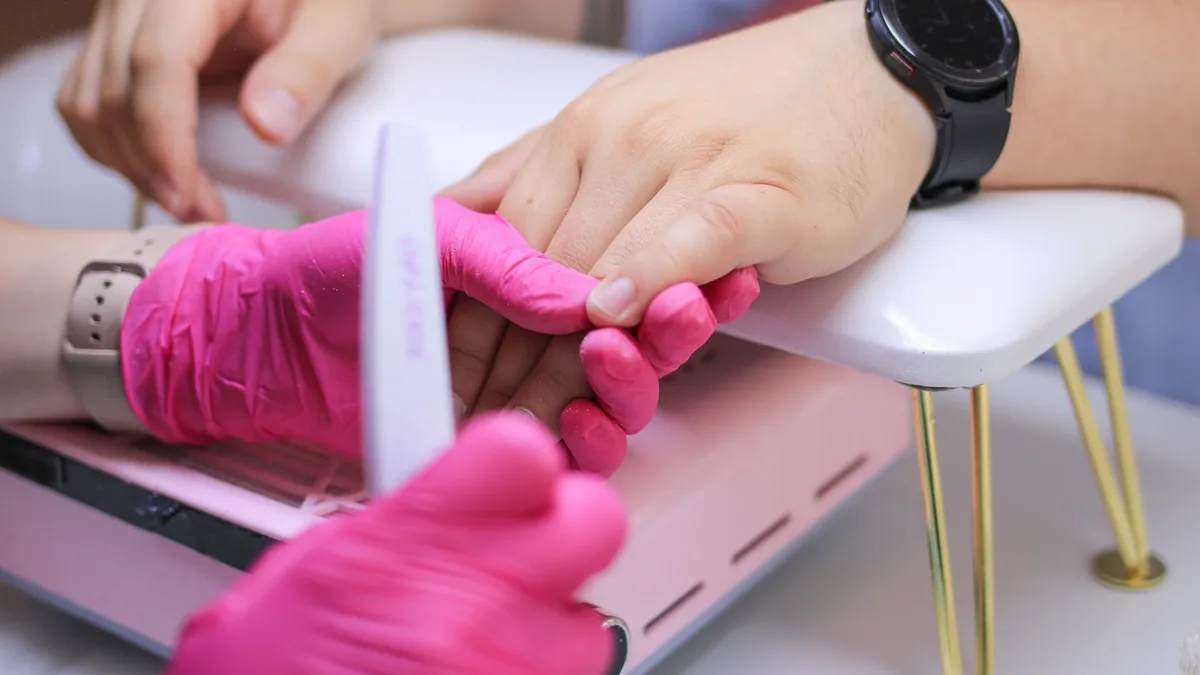
Manucurist secures private equity investment
French clean nailcare brand Manucurist has secured an investment from private equity firm Inflexion to accelerate its international expansion.
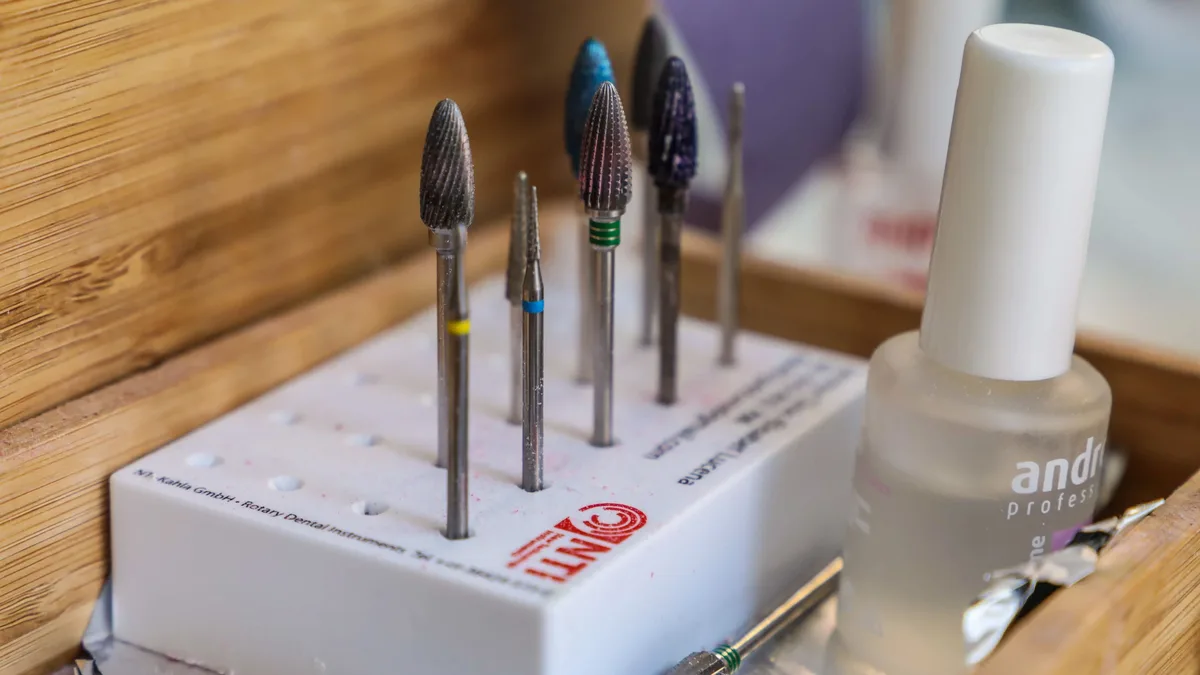
MelodySusie Marks 17 Years with New Tools and Community
Nail tool brand MelodySusie celebrates its 17th anniversary by launching three new products and outlining its community-focused values for the coming...
SUGARED + BRONZED Opens 50th Salon in National Expansion
SUGARED + BRONZED has opened its 50th location, a milestone for the sugaring and sunless tanning brand that started in a Santa Monica apartment in...

Salon Owners Use Social Media to Hire Talent
Salon owners are turning to social media and new technology to tackle hiring challenges, with experts advising on building talent pipelines and...
Black Beauty Roster Hosts Beauty Expo Presented by SalonCentric in NYC
The Black Beauty Roster Beauty Expo, presented by SalonCentric, took place in New York City, bringing together beauty professionals, creators, and...
MiniLuxe Highlights Chrome, Cat-Eye and Bare-Nail Trends for 2026
MiniLuxe’s service director Donna Charloff outlines the dominant chrome and cat-eye finishes, the rise of mermaid-inspired designs, and the growing...