Psoriasis And Eczema Affecting The Nail
| Primary condition | Psoriasis or eczema |
|---|---|
| Common nail signs | Pitting, onycholysis, discoloration, thickening |
| Nail unit affected | Nail matrix and/or nail bed |
| Key challenge for enhancement | Adhesion to compromised nail plate |
| Key challenge for art | Surface irregularities limit smooth canvas |
| Professional approach required | Yes, due to underlying medical condition |
| Client consultation critical | Yes, to assess severity and avoid trauma |
Origin and history
Psoriasis and eczema are chronic inflammatory skin conditions whose effects on the nail apparatus have been documented in medical literature for well over a century. The specific nail manifestations were systematically described by dermatologists in Europe and North America during the late 19th and early 20th centuries as clinical observation advanced. These conditions are not modern creations but rather ancient ailments whose distinct nail presentations were later classified. Historical medical texts from the 1800s contain descriptions of pitting and onycholysis, linking them to broader skin diseases. The understanding that these nail changes were integral components of systemic inflammatory disease, rather than isolated infections, solidified in the early 20th century. There is no single country of origin for these conditions, as they affect populations globally, but the formal medical delineation of their nail-specific pathology arose primarily within Western dermatology.
What it is designed for
Nail psoriasis and eczema are not cosmetic enhancements but pathological states resulting from inflammation targeting the nail unit. The conditions are designed for nothing; they are unintended consequences of immune system dysfunction that disrupts normal nail matrix and bed physiology. In psoriasis, the rapid turnover of skin cells affects the nail matrix, leading to the production of faulty nail plate material. For eczema, particularly chronic hand eczema or atopic dermatitis, inflammation and irritation around the nail fold disrupts the delicate environment needed for normal nail growth. The primary "design" is a biological misfire where the body's inflammatory response mistakenly attacks or disrupts the tissues responsible for nail formation and adhesion. The resulting physical changes are clinical signs used by dermatologists to aid in diagnosis and assessment of disease severity and activity.
Development and versions
There are no manufactured "versions" of nail psoriasis or eczema, but their clinical presentation evolves through recognized stages and patterns based on the site of inflammation within the nail unit. Development refers to the natural progression of nail changes, which can worsen during disease flares and potentially improve during periods of remission or with effective treatment. One common progression in nail psoriasis begins with pinpoint pits on the nail plate and can develop into more severe changes like oil spots (salmon patches), crumbling of the nail, or complete separation from the nail bed (onycholysis). In chronic eczema, development may start with redness and swelling of the proximal nail fold (paronychia) and lead to irregular, grooved, or thickened nail plates. The severity and combination of signs are highly variable, creating a spectrum of presentations rather than discrete versions. Long-term, uncontrolled inflammation can lead to permanent dystrophy and scarring of the nail matrix, resulting in irreversible nail deformity.
Pros and cons
There are no pros to having psoriasis or eczema affecting the nails, only significant cons that impact health and quality of life. The primary con is the physical damage, which includes pain, tenderness, and functional impairment that can make fine motor tasks difficult or painful. Aesthetically, the often pronounced changes can cause severe psychological distress, social embarrassment, and a desire to conceal the hands or feet. A common mistake is attempting to treat these conditions with standard cosmetic nail enhancements, which frequently worsens the problem by causing further trauma, trapping moisture, or triggering allergic reactions. Many individuals regret aggressive self-management, such as debriding or cutting away separated nails, which can exacerbate onycholysis and increase infection risk. Furthermore, nail involvement is often a marker for more severe or active systemic disease and can be associated with psoriatic arthritis, indicating a need for comprehensive medical management rather than isolated cosmetic correction.
Who it suits
Nail psoriasis and eczema do not "suit" anyone; they are medical conditions that can affect individuals of any age, gender, or ethnicity who have the underlying systemic disease. Nail psoriasis is seen in a significant percentage of people with plaque psoriasis and is particularly prevalent in those with psoriatic arthritis. Chronic hand eczema, which frequently involves the nails, often suits individuals in occupations involving repeated wet work, chemical exposure, or mechanical trauma, such as healthcare, cleaning, or hairdressing. Atopic dermatitis-related nail changes are more common in individuals with a personal or family history of atopy, including eczema, asthma, or hay fever. The conditions also suit, unfortunately, those with a genetic predisposition, as both psoriasis and atopic eczema have strong hereditary components. Importantly, anyone experiencing these nail changes should seek evaluation from a dermatologist or healthcare provider, as they require medical diagnosis and appropriate therapeutic management, not cosmetic adaptation.
Latest Psoriasis And Eczema Affecting The Nail news
Latest reporting
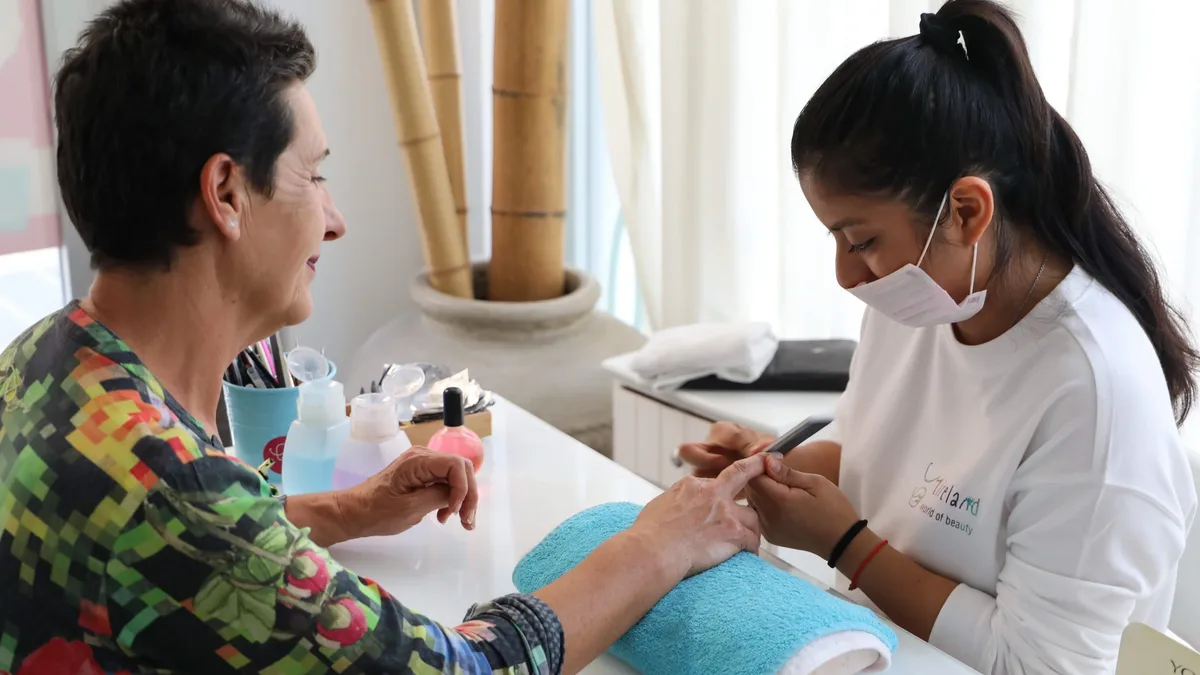
Nails Rank as Second Most Popular Beauty Service in UK
A new report highlights the significant role of nail services in the UK beauty industry, while a separate hair styling guide details a specific cut...
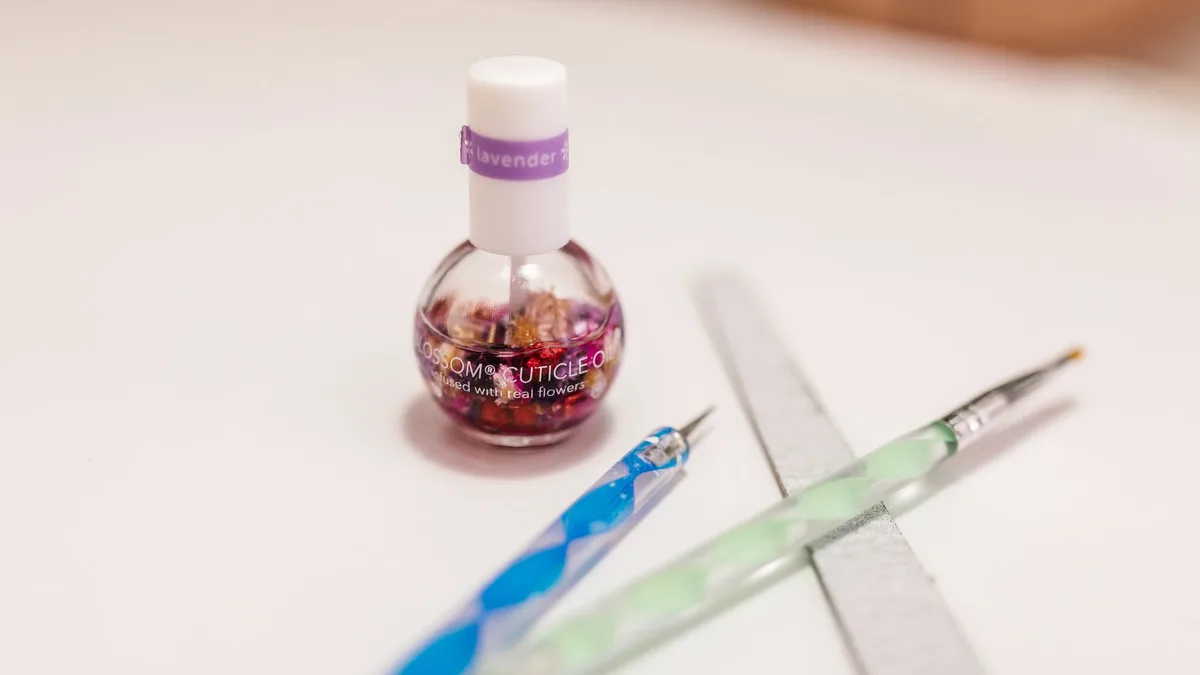
Pinterest launches Beauty Guides for nail inspiration
Pinterest launched Beauty Guides, an AI-powered feature that turns hair and nail Pins into personalized, actionable guides for salon and at-home...

Jelly Nail Trend Drives 24,650% Search Surge
The sheer, translucent jelly nail trend, originating in Korea, is seeing massive online interest. A product gallery highlights 13 polishes and gels...
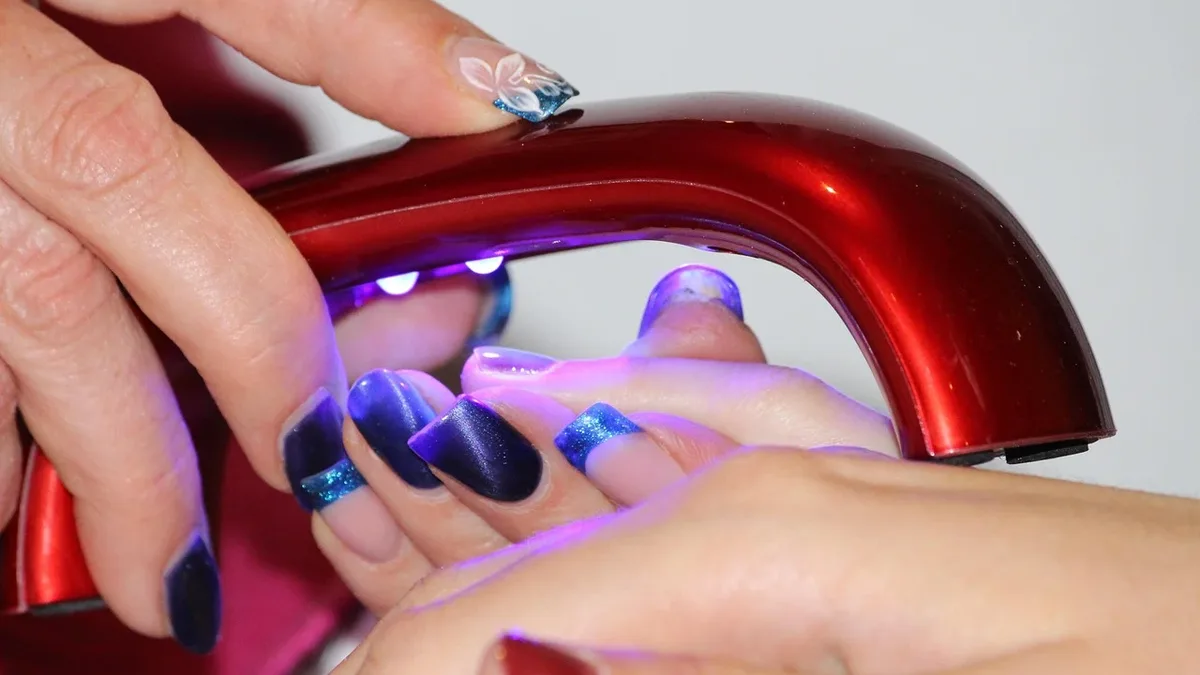
Fall 2026 Nail Trends Embrace Contradictory Styles
Nail artists forecast autumn 2026 trends that blend opposing aesthetics, from dark auras to jelly French manicures.
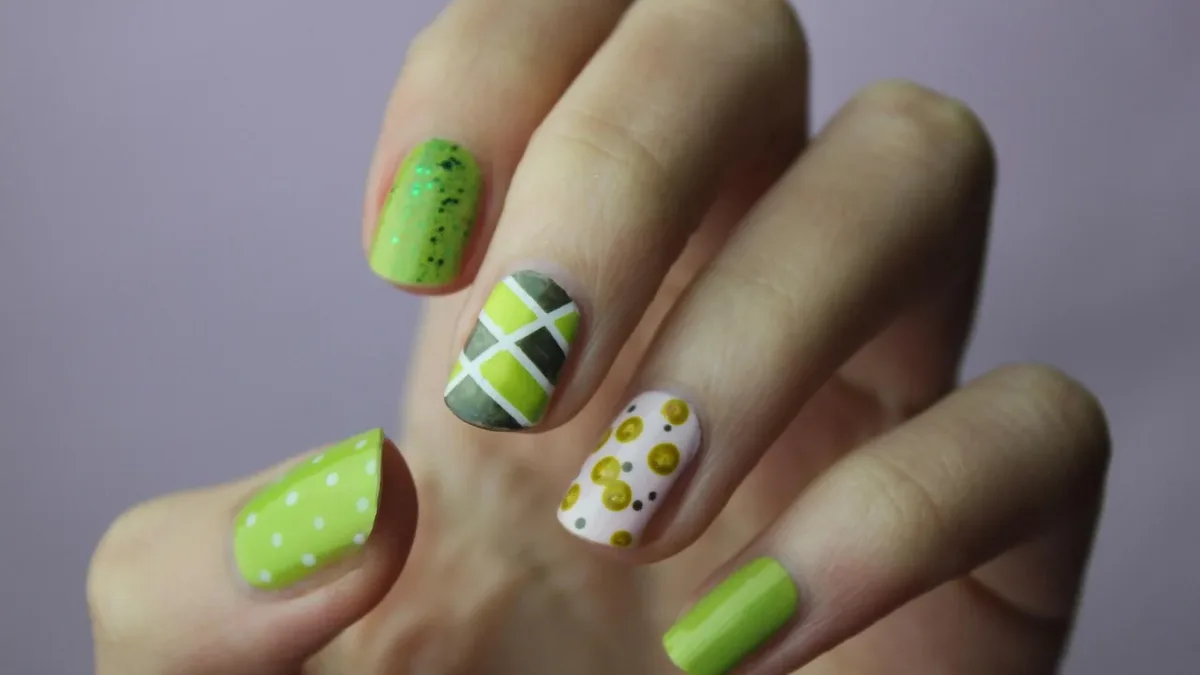
London Fashion Week SS27 Shows Nail Art Trends
London Fashion Week's spring/summer 2027 shows featured ten distinct nail styles, from droplet designs to velvet hues, created by leading manicurists.

Premiere San Antonio Nail Show Hits Record Attendance
The Premiere San Antonio beauty show, presented by SalonCentric, reported a 30% attendance increase with over 12,000 visits.