Acetone And Skin Barrier Damage
| Chemical class | Ketone |
|---|---|
| Original use | Solvent |
| Effect on skin lipids | Dissolves |
| Primary safety concern | Defatting agent |
| Skin barrier effect | Disrupts |
| Common product types | Nail polish remover, paint thinner, adhesive remover |
Origin and history
Acetone is a simple organic compound with a long history of industrial and laboratory use. Its interaction with skin, particularly its capacity to damage the skin barrier, has been understood for over a century through its use as a solvent. The study of acetone's specific dermatological effects became more formalized with the advancement of contact dermatitis research in the mid-20th century. Clinical observations of occupational skin conditions, particularly in industries like manufacturing and laboratory work, documented its dehydrating and defatting properties. The scientific understanding of the stratum corneum as a critical barrier evolved in the latter half of the 20th century, cementing acetone's role as a model irritant in dermatological research. Its use in patch testing to deliberately disrupt the skin barrier for experimental purposes is a well-established laboratory technique originating from this period of intensified skin science.
What it is for
Acetone is primarily used as a powerful solvent capable of dissolving many organic compounds, including oils, resins, and plastics. In dermatology and skin research, it serves as a controlled agent to deliberately compromise the skin's barrier function for experimental study. This application allows scientists to model conditions of impaired skin barrier, such as in eczema, and to test the efficacy of barrier-repairing treatments. Its common commercial use is as the primary active ingredient in many nail polish removers, where it efficiently breaks down nail enamel. It is also utilized in industrial and laboratory settings for cleaning and degreasing surfaces and equipment. Furthermore, acetone is employed in some medical settings for skin preparation prior to certain procedures, though this use is carefully managed due to its known effects.
Pros and cons
The primary pro of acetone is its unmatched efficacy as a fast-evaporating solvent, making it highly effective for tasks like removing stubborn nail polish or industrial adhesives. Its utility in scientific research as a reliable, reproducible method to disrupt the skin barrier is a significant professional advantage. However, the cons are substantial and directly stem from its chemical action. Acetone aggressively strips the skin of its natural lipids and oils, which are essential for maintaining barrier integrity and hydration. This leads to immediate and pronounced transepidermal water loss, leaving skin dry, tight, flaky, and vulnerable to irritation. A common mistake is repeated or prolonged skin contact without immediate and thorough moisturization, which can lead to chronic irritation, cracking, and increased risk of secondary infection. Individuals who regularly use acetone-based products without protective measures often regret the resulting persistent dryness, redness, and sensitivity of their skin, particularly on the hands and around the nails.
Who it suits
Acetone suits industrial and laboratory applications where its powerful solvent properties are necessary and where skin contact can be minimized through the use of gloves and proper safety protocols. It is suited for one-time, precise applications in controlled settings, such as in a dermatology lab for research purposes. For cosmetic use, it may suit individuals who require a very fast-acting nail polish remover for resilient, traditional nail polishes and who do not have sensitive or already compromised skin. It is not suited for individuals with a history of eczema, psoriasis, xerosis (chronically dry skin), or any form of dermatitis, as it will significantly worsen these conditions. It is also poorly suited for frequent use on natural nails and surrounding skin, as it can dehydrate and weaken the nail plate and cuticles. Ultimately, its use suits scenarios where its performance is critically needed and where its damaging effects on the skin barrier can be either justified for a specific purpose or meticulously mitigated.
Latest Acetone And Skin Barrier Damage news
Latest reporting
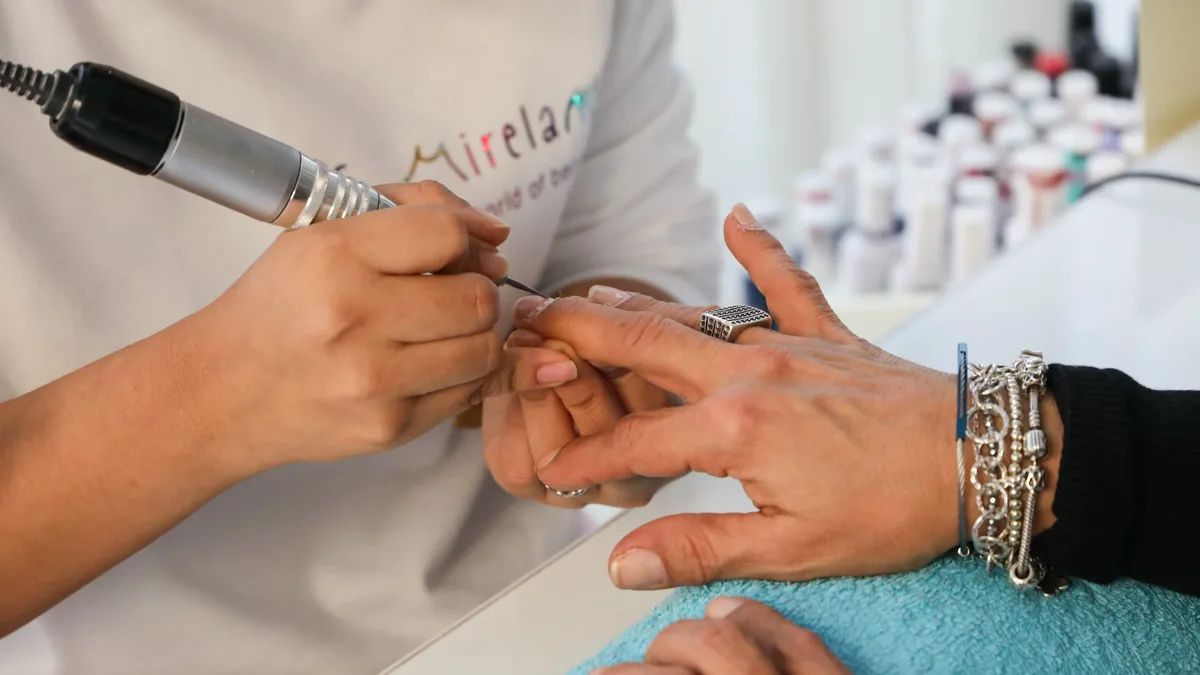
Nail Techs Face Lifelong Allergies from Uncured Acrylates
Nail technicians risk permanent contact dermatitis from skin exposure to uncured acrylates in gel and e-file dust, with under-curing identified as a...

JVN Hair Introduces UV Protection Duo for Summer Hair Care
JVN Hair launches a UV protection duo to combat sun damage, featuring a leave-in conditioner and a volumizing wave spray. The products offer...

Riversol's Redness Control Products Offer Relief for Sensitive Skin
Riversol's Redness Control products are designed to help skin that tends to run hot, providing relief for sensitive and rosacea-prone skin.
Peptides Gain Traction in Aesthetic Consultations as Clients Seek Proactive Aging Solutions
Peptides are becoming a major topic in aesthetic consultations, with clients increasingly inquiring about their role in skin health and aging...
Merz Aesthetics' Ultherapy PRIME Now FDA-Approved for Knees Treatments
The U.S. FDA has cleared Ultherapy PRIME to improve the appearance of skin laxity on the knees, marking a significant expansion of the device's...

Industry Associations Honored for Esthetics Licensure Compact
The American Society of Association Executives (ASAE) has awarded the 2026 Power of Associations Gold Award to Associated Skin Care Professionals...