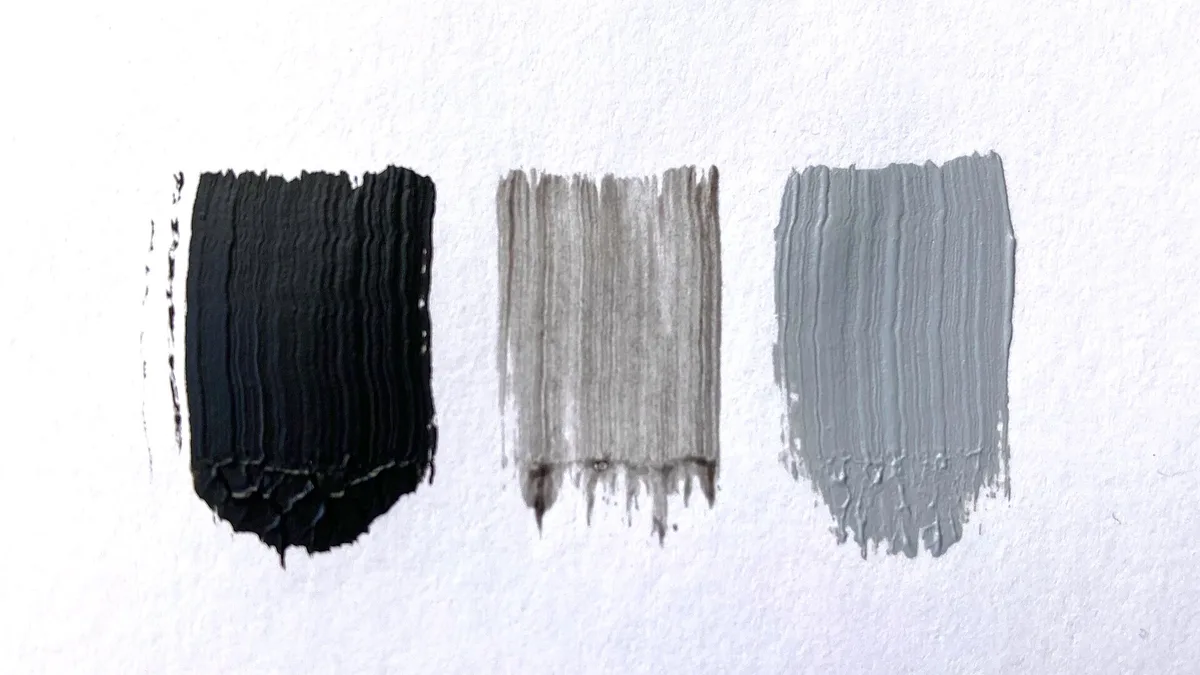
Acrylic
| Country of origin | United States |
|---|---|
| First created | 1930s |
| Original use | Industrial and military applications (e.g., aircraft canopies) |
| Primary components | Polymers of acrylic acid, methacrylic acid, or their derivatives |
| Common forms | Sheets (e.g., Plexiglas), molding/extrusion powders, paints, adhesives |
| Key properties | High clarity, good weather resistance, moderate strength |
| Typical applications | Signage, lenses, displays, paints, medical devices |
Origin and history
Acrylic as a systemic enhancement material originates from mid-20th century industrial laboratories, primarily in the United States and Germany. Its development was driven by the search for lightweight, shatter-resistant alternatives to glass. The first commercially viable forms of acrylic, known as polymethyl methacrylate (PMMA), were developed and brought to market in the 1930s. Its initial applications were highly functional, serving as aircraft canopies and protective covers during the Second World War due to its optical clarity and durability. Post-war, the material transitioned into civilian use, appearing in automotive lights, signage, and architectural glazing. The artistic adoption of acrylic as a medium for painting, distinct from its industrial sheet form, began to gain significant traction among artists in the 1950s and 1960s, offering a new alternative to traditional oil paints.
What it is for
Within enhancement systems crossed with shape and art, acrylic is employed to create durable, dimensional forms with high visual impact. It serves as a primary medium for constructing three-dimensional sculptures and installations due to its ability to be cast, cut, thermoformed, and polished. The material is used to fabricate large-scale, translucent architectural elements, such as integrated lighting features or room dividers, that manipulate light diffusion. Artists utilize its layering capability to build up deep, glass-like surfaces for painting or to embed objects within clear castings. In functional art and design, it is chosen for producing precise, clean-edged objects like furniture components or display cases where form and transparency are key. The system leverages acrylic's stability to maintain the integrity of a shape or artwork over time, resisting yellowing and environmental degradation better than some other plastics.
Pros and cons
A significant advantage of acrylic in this system is its exceptional optical clarity and light weight compared to glass, allowing for larger, safer installations. It is highly workable with standard woodworking and machining tools, enabling precise shaping and intricate detailing not easily achievable with other transparent materials. However, a common mistake is underestimating its susceptibility to scratching, which can quickly cloud polished surfaces and degrade the intended visual effect. Many who regret choosing it did so for high-traffic applications where abrasion is inevitable, leading to a perpetually marred appearance. Its static nature can also attract dust deeply into scratches, compounding maintenance issues. Furthermore, while resistant to shattering, it can crack under concentrated impact or stress, and repairing such damage without visible seams is notoriously difficult, often ruining a piece's aesthetic unity.
Who it suits
This system suits artists and designers who prioritize geometric precision, luminous transparency, and structural longevity in their work. It is well-matched for creators of large-scale public art or architectural features where safety (shatter resistance) and weight are critical practical considerations. Industrial designers and fabricators who rely on CNC machining, laser cutting, or thermoforming to achieve consistent, complex shapes find it an appropriate material. It is less suitable for purists in traditional sculpture who require the tactile warmth or natural aging of materials like wood, stone, or bronze. The system best serves those with access to proper workshop facilities for cutting and finishing, as well as the patience for meticulous surface care. It is also a practical choice for installations intended for controlled indoor environments, where its durability can be preserved without exposure to excessive weathering or abrasion.