Nails Rank as Second Most Popular Beauty Service in UK
A new report highlights the significant role of nail services in the UK beauty industry, while a separate hair styling guide details a specific cut and color technique.
Two distinct stories emerge from the beauty sector this week. The first details a precise hair cutting and coloring method for a specific look. The second reveals new data on the economic and social impact of the beauty industry, with nail services featuring prominently.
Hair Styling Technique
A new styling guide from milk_shake outlines the step-by-step process for achieving a chestnut blond bixie bob named 'Fleur'. The look features a textured, choppy cut that falls between a bixie and a bob, with a color blend of deep chestnut blond and subtle golden highlights. The technique involves specific razor cutting methods and a multi-formula coloring process.
The cut begins by separating the fringe and temporal areas before using a razor with a channeling technique at the nape. Stylists connect the side lengths and work through upper sectors using elevations of 45 and 90 degrees with a surfing razor technique. The accompanying color process requires backcombing and the application of three separate formulas. Formula 1 combines a level 7 light catcher with a 30-volume emulsion. Formula 2 mixes three 'smoothies' shades with a light activating emulsion. Formula 3 is a conditioning direct color blend of golden blond and yellow with a beige blond whipped cream.
Beauty Industry Impact Report
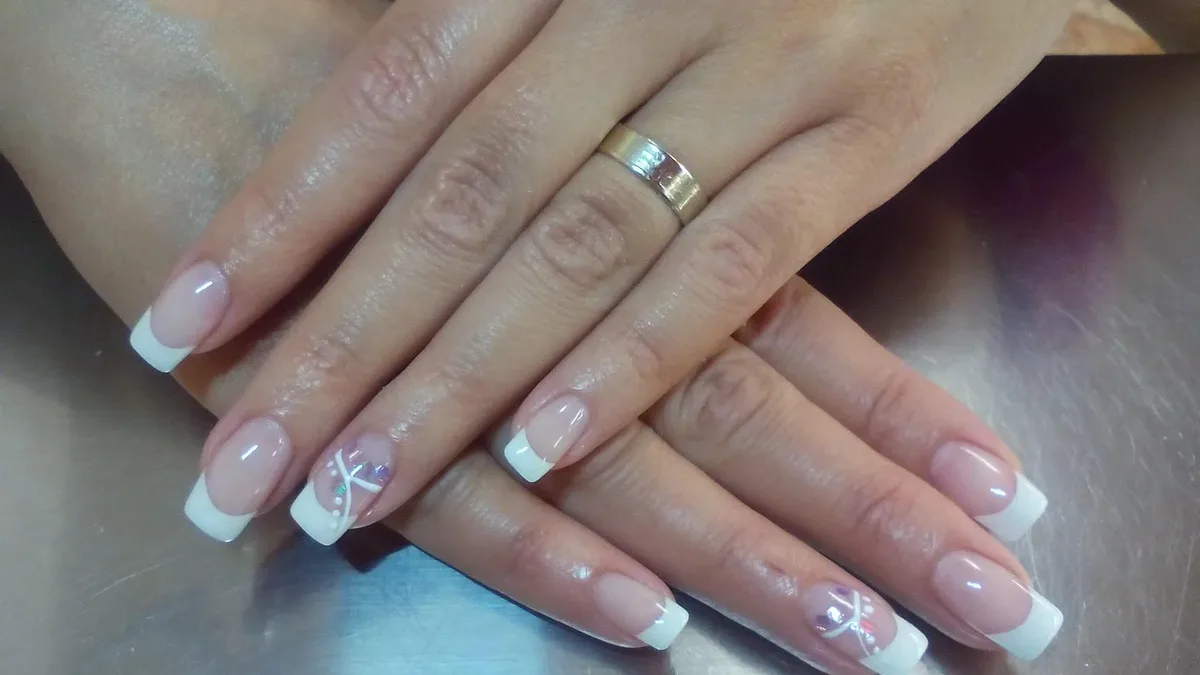
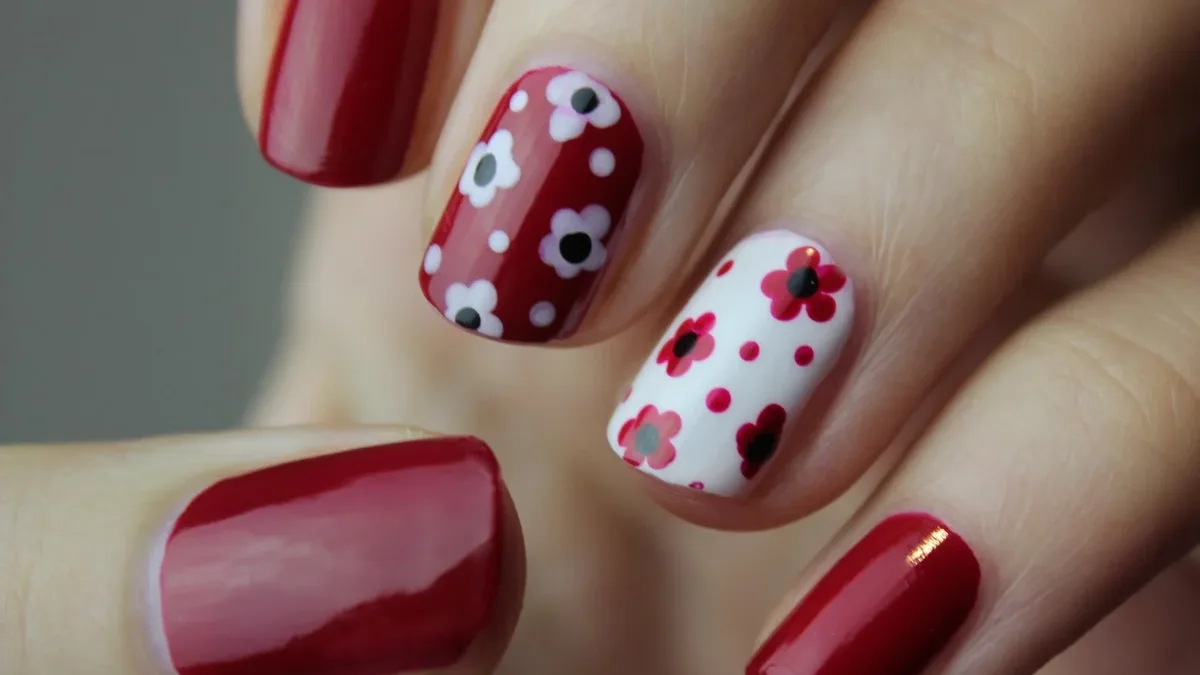
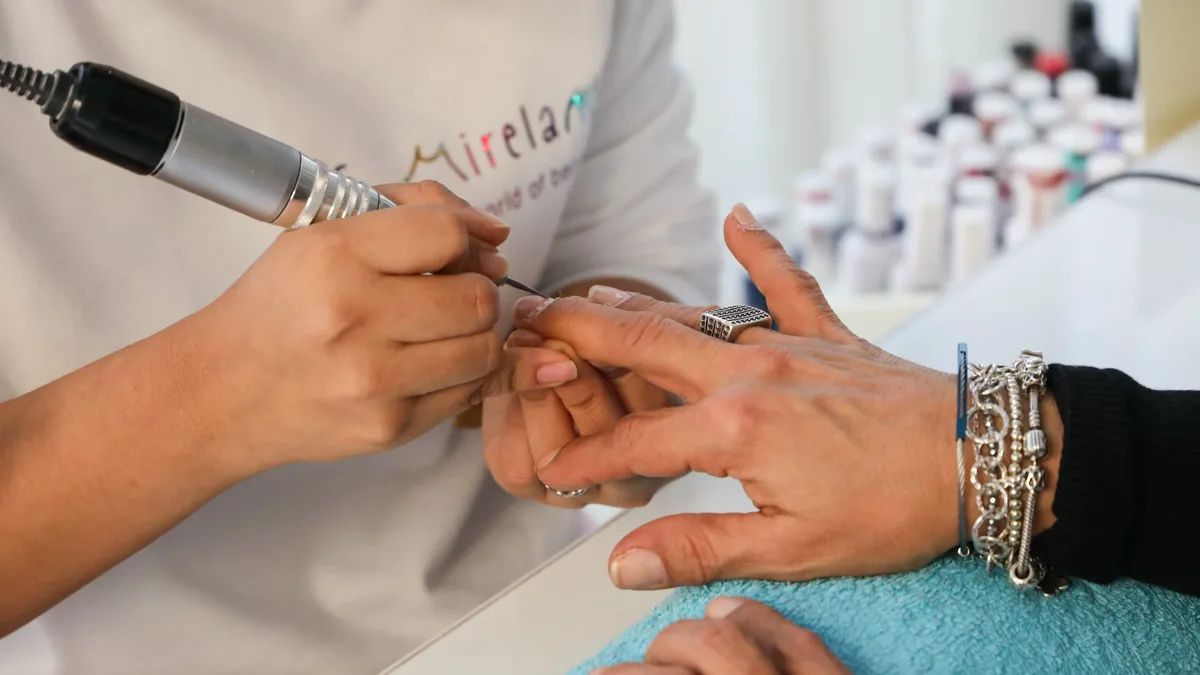
The British Beauty Council has published a report exploring the social and economic value of the beauty sector. The data shows nail services are the second most widely used beauty service in the UK, after hair and barbering. Nine percent of UK adults use nail services at least monthly, a figure that rises to 13% among women.
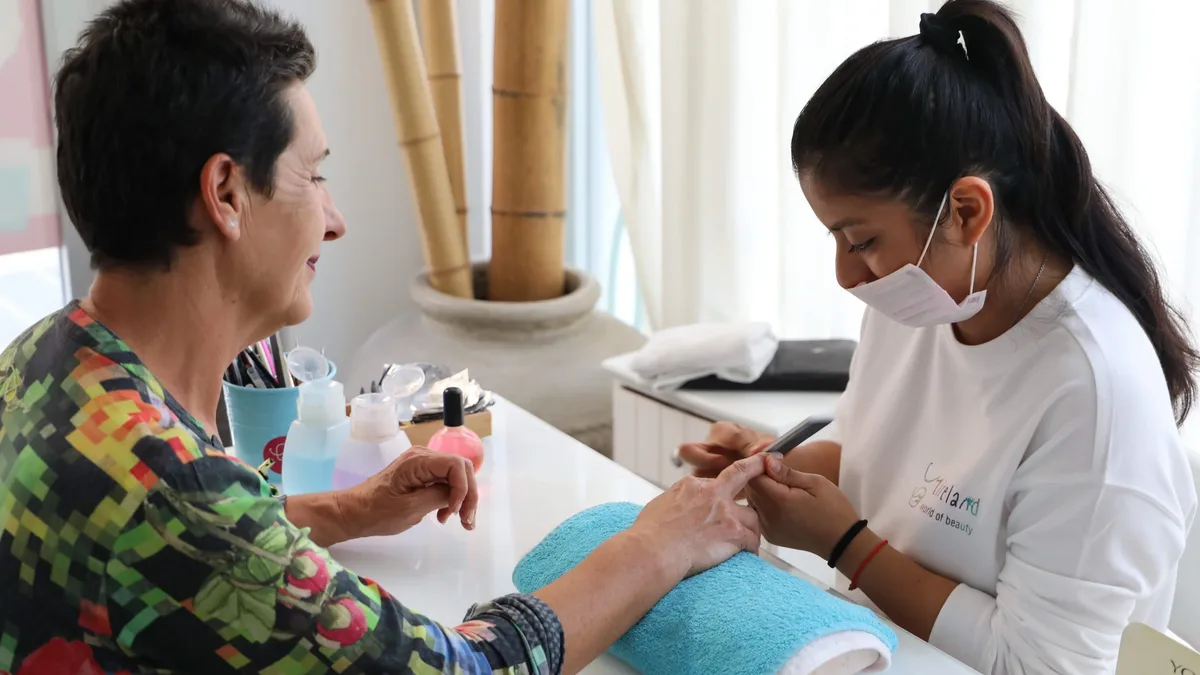
The report indicates beauty and personal care spending is considered more of a necessity than a treat for most consumers. It ranks higher in importance than gym memberships, streaming subscriptions, and eating out. Furthermore, beauty services provide critical social interaction. Forty-four percent of surveyed individuals had a meaningful conversation with a personal care provider in the past six months. For 18% of respondents, such visits are one of the only times they interact with others in some weeks, a sentiment particularly strong among young men aged 18-24.
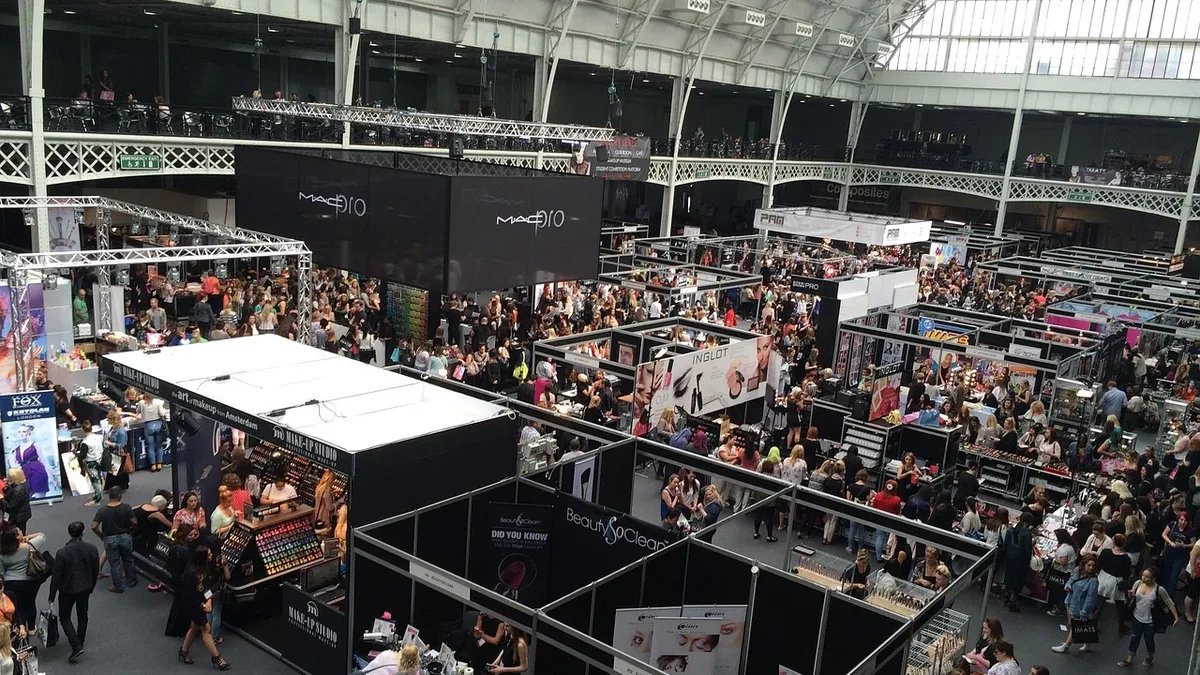
Beauty businesses significantly support local economies. Over half of beauty appointments occur on high streets or in town centers, and for 86% of those visits, the appointment was the primary reason for the trip. Half of these visits result in additional spending at nearby businesses. Personal care outlets account for almost a third of leisure amenities in UK retail zones. In smaller high streets, hair and beauty salons alone account for around a fifth of leisure amenities. The report also states that three-quarters of regular beauty users feel these services positively impact how they feel about themselves, aiding resilience and confidence.