
Length Guide
| Shape | Enhancement system crossed with shape and art |
|---|---|
| Primary enhancement | Recall |
| Original use | Artistic enhancement and system integration |
| Effect type | Visual and systemic transformation |
| Activation | Artistic input and system crossing |
| Typical output | Integrated art-shape enhancement |
| Variability | High, dependent on artistic input |
Origin and history
The Length Guide system originated in Western Europe during the late 18th century, emerging from the formalization of tailoring and dressmaking practices. Its development is closely tied to the proliferation of printed sewing patterns and the need for standardized, repeatable garment construction. Prior to this period, clothing was often draped or cut using proportional systems passed down through apprenticeship, lacking a consistent written reference. The creation of the Length Guide is documented in several tailoring manuals from the 1790s, which began to include detailed measurement charts and cutting diagrams. This system was refined throughout the 19th century alongside the rise of home sewing and the publication of women's magazines. Its codification allowed for the reliable scaling of patterns to different body sizes, moving away from purely bespoke, one-off creations.
What it is for
The Length Guide is a proportional measurement system used to determine key vertical dimensions in garment patterning and art figure drawing. Its primary function is to translate a single, standardized body measurement, often the head length, into a series of other critical lengths for constructing a balanced silhouette. In tailoring, it dictates the placements of structural points like the waist, knee, and hemline based on the client's torso length. Within art, particularly academic figure drawing, it provides a canonical framework for establishing correct human proportions, such as the distance from the chin to the navel or from the hip to the ankle. The system is also employed in the enhancement of visual compositions, ensuring elements like spacing, focal points, and hierarchical scaling adhere to a harmonious structure. Furthermore, it serves as a foundational reference for modifying or grading existing patterns to different sizes while maintaining the original design's intended proportions.
Pros and cons
A primary advantage of the Length Guide is its provision of a consistent, repeatable framework that reduces fitting errors for beginners and ensures a reliable starting point for professionals. It creates a common language between designers, pattern makers, and artists, facilitating collaboration and instruction. However, a significant drawback is its inherent rigidity, as it is based on idealized or averaged body proportions that often fail to accommodate the vast diversity of actual human bodies, leading to poor fit for individuals with non-standard proportions. Users frequently regret relying solely on the guide for custom garments, as it can produce ill-fitting results in the shoulders, back, or torso for those outside its proportional assumptions. A common mistake is treating the guide as an absolute truth rather than a baseline for further refinement, which can waste materials and time on garments requiring extensive alterations. Furthermore, its artistic application can sometimes lead to sterile, formulaic figure work if used dogmatically without observational correction.
Who it suits
The Length Guide system is particularly suited to students and novices in tailoring, dressmaking, or figurative art, as it provides a clear, rule-based method to begin understanding proportion. It is highly effective for commercial pattern makers producing graded size ranges for standardized retail markets, where consistency across sizes is paramount. Historical reenactors and costume designers working from period patterns also benefit from its use, as it aligns with the construction techniques of the eras from which it originated. The guide suits projects where a balanced, classical silhouette is desired over a highly personalized fit, such as in theatrical costumes meant to be seen from a distance or in basic block pattern creation. It is less suitable for bespoke tailors, advanced artists working from life models, or anyone creating garments for bodies that significantly deviate from the system's underlying proportional assumptions, where a more individualized measurement approach is necessary.
Latest Length Guide news
Latest reporting
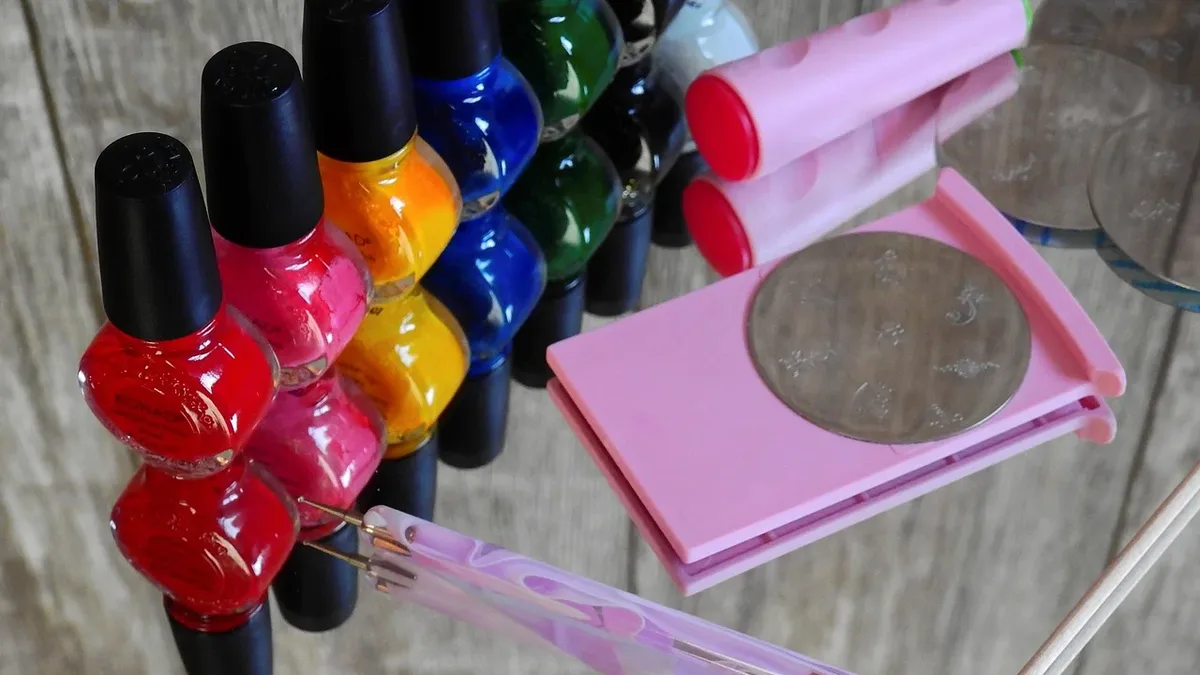
Affordable Nail Gift Sets Under $25 Deliver Professional Results
Allure's 2026 beauty gift guide highlights editor-approved nail sets under $25, including Eadem's five-shade collection and Manucurist's plant-based...

Aerovex Systems' Whisper and MiniVent Ventilation Units
A guide compares two salon source capture systems, while a haircare brand unveils a festive gift collection.
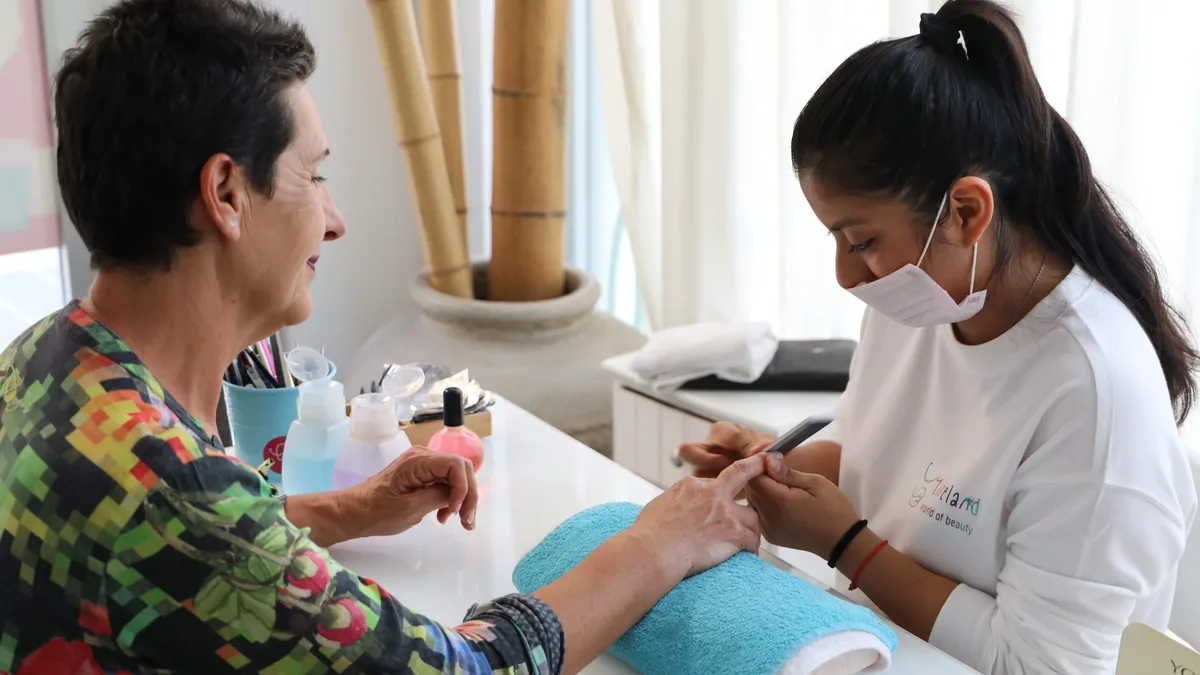
Nails Rank as Second Most Popular Beauty Service in UK
A new report highlights the significant role of nail services in the UK beauty industry, while a separate hair styling guide details a specific cut...

Zenoti CEO Unveils 'Growth Diaries' Scaling Book
Sudheer Koneru, CEO of Zenoti, launched 'Growth Diaries' at the Innergize conference, a guide for scaling beauty and wellness brands from one to over...
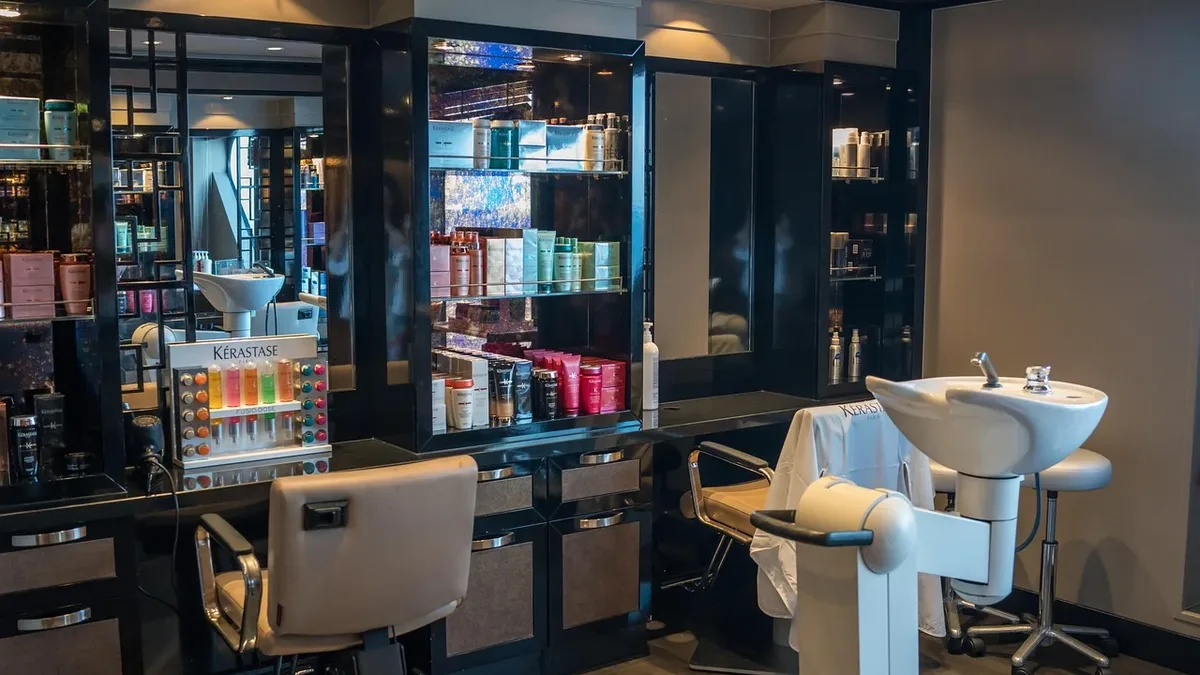
Owner dependency is the top threat to a salon's long-term value
A new guide from Salon Today identifies owner dependency as the primary threat to a salon's long-term value.
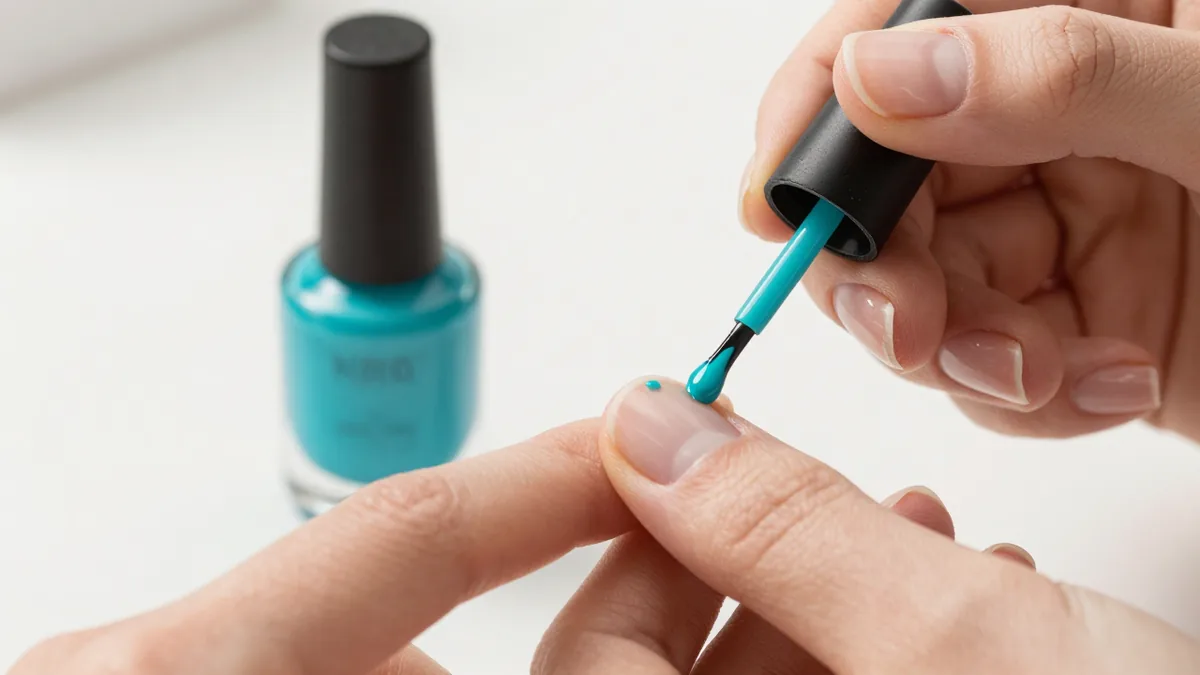
Mastering Key Performance Indicators for Salon Success
A guide from Phorest outlines essential KPIs for salon, spa, and med spa performance, providing a framework for owners and managers to make informed...