Anna Fechina on Adapting Tools for Left-Handed Techs
An educator details how left-handed nail technicians can adapt e-file techniques and tools, while a look ahead to Winter 2026 highlights textural nail art trends inspired by fabrics and winter scenes.
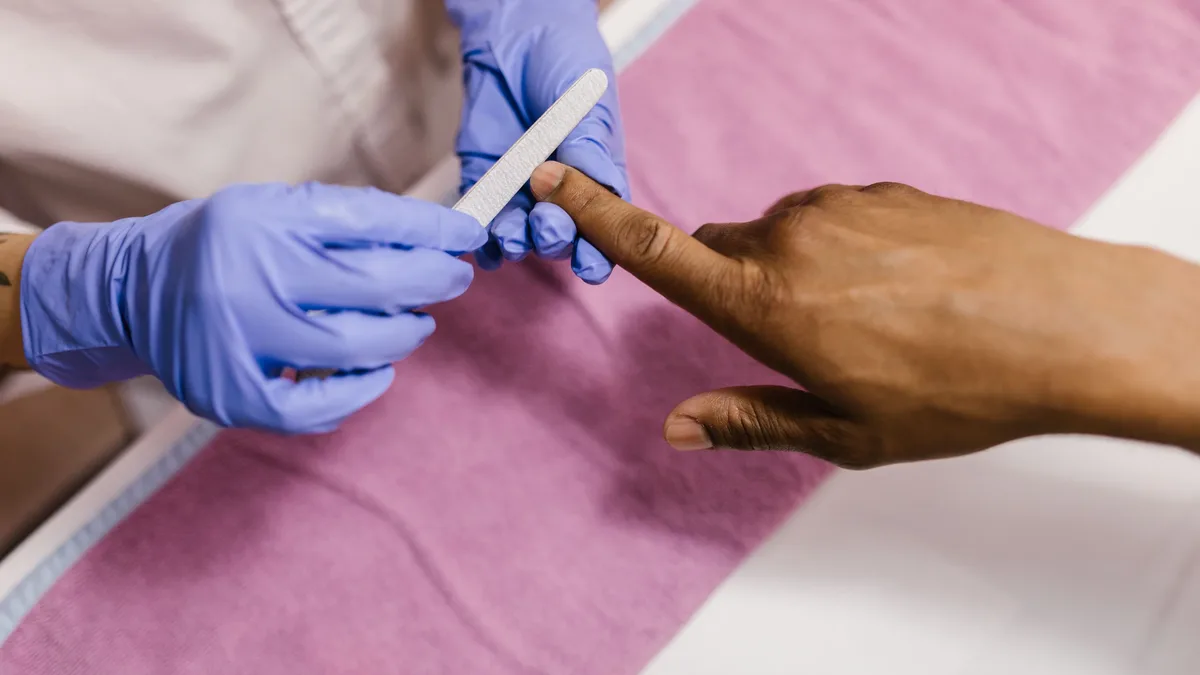
Industry educator Anna Fechina provides a guide for left-handed nail technicians on adapting tools and techniques, particularly for e-file work. Separately, nail artists preview the high-touch, textural trends set to dominate Winter 2026, drawing inspiration from velvet, ice, and cozy fabrics.
Adapting E-files for Left-Handed Use
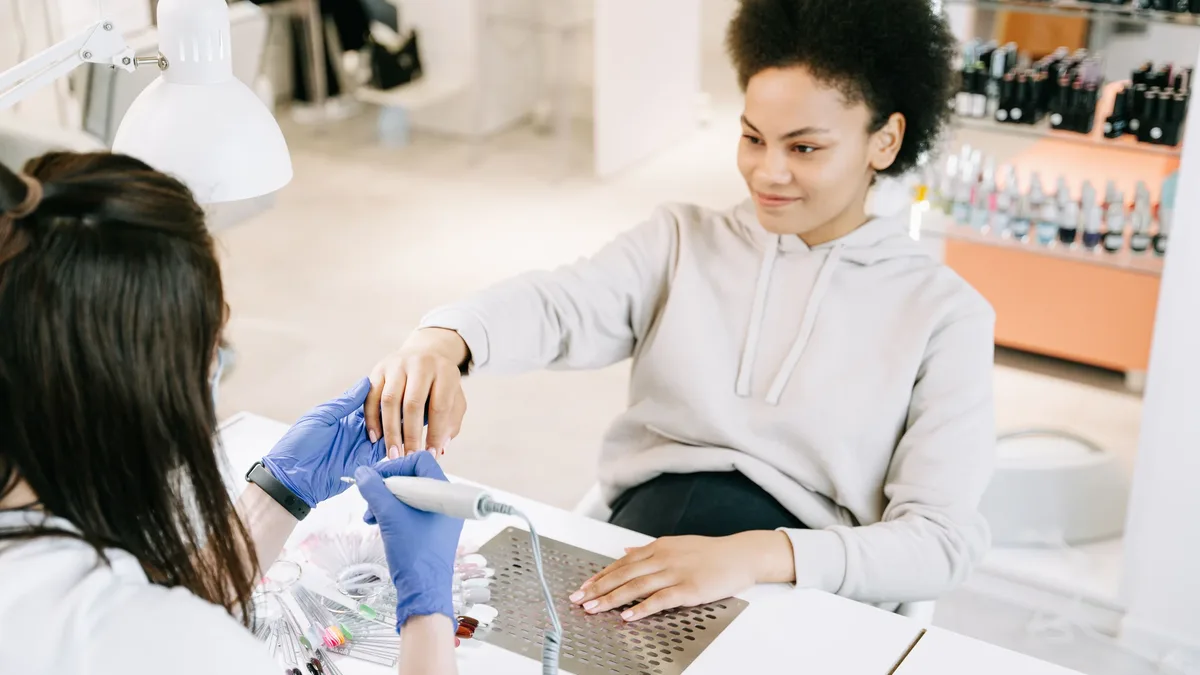
Anna Fechina, a Florida-based nail professional, educator, author, and researcher specializing in left-handed techniques, explains the core challenges and adaptations for left-handed technicians using tools like e-files. The fundamental principles of safe work remain identical, but the application often requires change, especially in movement direction, client hand positioning, and visibility.
One critical mistake is attempting to copy a right-handed demonstration exactly. Fechina emphasizes teaching the foundational concepts of e-file work first-such as which part of the bit should be working and where pressure should come from-before adapting the technique. Direction is a primary point of divergence; a left-handed technician may feel more controlled moving in a different direction than a right-handed educator demonstrates, which is acceptable if safe contact and control are maintained. E-file settings, particularly rotational direction, must also correspond to the technician's working hand and should be explicitly taught, not guessed.
Visibility poses a major practical hurdle, as the left hand holding the handpiece can block the view of the working area. Instead of leaning or craning the neck, Fechina advises experimenting with the client's finger position and approach angle to maintain a clear sightline. Grip is another common issue, where nervousness leads to holding the handpiece too tightly, reducing control and causing strain. "Control does not come from squeezing harder; it comes from stability, positioning and understanding the movement," Fechina tells students. Also, while some tools are neutral, others like scissors can be awkward, making left-handed-designed tools a worthwhile investment where possible.
Winter 2026 Textural Nail Trends
The upcoming winter season is inspiring nail art that prioritizes touch and texture, moving beyond scent to evoke plush fabrics, icy surfaces, and cozy indoor scenes. Trends for Winter 2026 include velvet-style cat-eye effects, faceted gemstones, and finishes mimicking fuzzy mohair, pebbled leather, slick ice, and window condensation.
The 'half cat eye' trend replicates the look of a hand swept across velvet upholstery, creating a color-shift optical illusion. Washington, DC-based nail artist Rosemary suggests painting the entire nail with a cat-eye polish, then using a solid polish in the same color family to paint half the nail. Alternatively, for a more defined velvet texture on both halves, she advises painting each half with cat-eye polish but magnetizing the shiny particles to opposite ends before curing. Los Angeles-based nail artist Hang Nguyen recommends pairing different winter shades on each nail for a funky yet simple design.
'Ice and snow' looks offer a range of finishes from polished rinks to fluffy snowfall. Descriptions include a nude base with a chrome glaze shifting to iridescent blue, a cool blue base under a frozen-chrome finish, and a velvet periwinkle base with painted snowflakes. Rosemary notes the increasing accessibility of these looks, stating, "Many brands are coming out with easy-to-use chrome powder sticks or liquid chrome, making this look accessible to nail enthusiasts at all levels." The trend spectrum extends to other tactile inspirations like crocodile leather, fuzzy alpaca sweaters, and a 'privacy-screen' topcoat for peek-a-boo designs.