Counterfeit beauty products expose consumers to toxic health risks
Authorities have seized thousands of fake cosmetics containing dangerous substances like mercury and lead, with young adults increasingly buying counterfeits and four in ten failing safety checks.
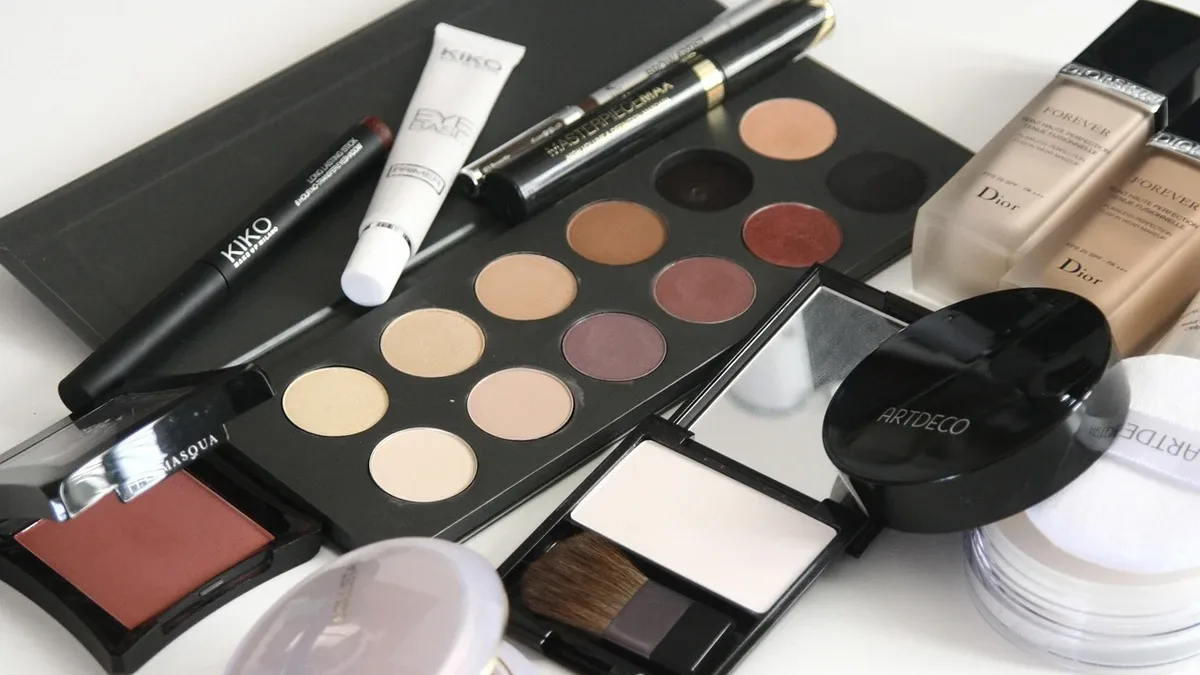
Authorities have confiscated thousands of counterfeit beauty items containing hazardous substances like lead, mercury, and methanol. Four in ten seized cosmetic products failed safety checks, according to new testing by the Intellectual Property Office and Trading Standards.
In July, police seized 1,666 counterfeit hair products, including extensions and shampoos, from a Manchester warehouse. A separate operation in Bolton resulted in the seizure of £2 million worth of counterfeit goods, including perfume and cosmetics. Testing of 50 seized counterfeit cosmetic products found 20 contained potentially harmful substances.
Young consumers most likely to buy fakes
Nearly 20% of 18- to 24-year-olds knowingly purchased counterfeit beauty products last year. This marks a sharp rise from just 6% in 2023, according to data from the Intellectual Property Office Counterfeit Goods Tracker. Almost three in four people who bought counterfeit cosmetics and toiletries did so online.
Toxic substances pose invisible health threats
Experts warn that harmful ingredients found in fakes can cause serious, often unseen, damage. Independent toxicologist Rani Ghosh highlighted the internal risks. "What concerns me about these findings is that some of the potential harm from counterfeit beauty products may not be something you can see," Ghosh said. High levels of lead in makeup can damage the brain, nervous system, and kidneys, with particular risks for children and during pregnancy. Mercury, found increasingly in skincare, can damage the kidneys and nervous system with repeated exposure.
Testing revealed specific, alarming levels of contaminants in seized products.
| Product Type | Contaminant Found | Level Detected |
|---|---|---|
| Contour Kit | Lead | 40 mg/kg |
| Skin-lightening Cream | Mercury | 13,200 ppm (1.32%) |
| Skin-lightening Cream | Hydroquinone | 8.1% |
| Fragrance | Methanol | ~80% |
| Fragrance | Nicotine | Detected |
Methanol poisoning can cause serious harm, including damage to eyesight. Hydroquinone at 8.1% is prohibited in UK cosmetics.
Industry and authorities urge vigilance
The Intellectual Property Office has issued new guidance for salons, retailers, and smaller beauty businesses to check supplier details and retain product records. Helen Barnham, Head of Enforcement Engagement at the IPO, stated that counterfeit beauty products pose serious risks due to dangerous substances and unhygienic production conditions. Dr Emma Meredith, director-general of the Cosmetic, Toiletry and Perfumery Association (CTPA), emphasized that legitimate UK cosmetics undergo rigorous safety assessments, ingredient controls, and are produced hygienically-safeguards that counterfeits bypass.
Millie Kendall, chief executive of the British Beauty Council, noted that the UK beauty industry is built on safety and trust. The IPO's Face the Fakes campaign, which collaborates with beauty industry organisations, scientific experts, and social media creators, will continue its work to raise awareness of these dangers.