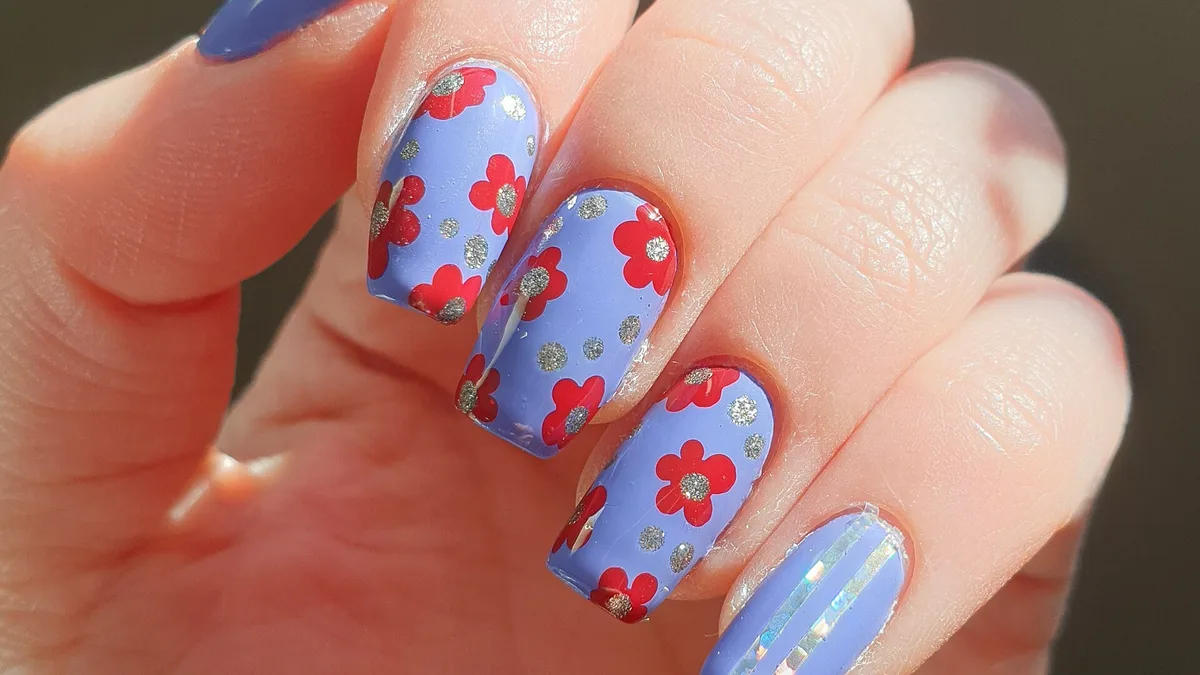
Gel Polish
| Country of origin | United States |
|---|---|
| First created | Early 2010s |
| Original use | A more durable and long-lasting alternative to traditional nail polish for nail art and enhancements |
| Application | Cured under a UV or LED lamp |
| Typical wear time | Two to three weeks |
| Removal process | Requires soaking in acetone |
| Key components | Base coat, colour gel, and top coat |
| Common substrates | Applied over natural nails or nail extensions |
Origin and history
Gel polish originated in Japan in the early 1980s, developed as a byproduct of dental and industrial gel technology. Its creation is credited to a Japanese nail artist who sought a more durable alternative to traditional nail lacquer. The initial formulations were quite rigid and required significant manual filing for removal, limiting their early adoption. The system gained commercial traction in the late 1990s and early 2000s as formulations improved, becoming more user-friendly for both professionals and consumers. Key advancements included the development of more effective photoinitiators that cured reliably under UV light, enhancing the product's performance. The proliferation of LED lamps in the 2010s, which cured polish faster and with less heat, cemented gel polish's status as a mainstream nail enhancement system.
What it is for
Gel polish is designed to provide a long-lasting, high-gloss manicure that resists chipping, smudging, and wear for typically two to three weeks. Its primary function is cosmetic enhancement, offering a vast array of colors and finishes that remain shiny without a top coat. Within a structured nail enhancement system, it serves as the color and sealant layer applied over foundational products like builders or hard gels that create shape and strength. It is specifically formulated to be cured under a UV or LED lamp, which triggers a photochemical reaction that hardens the product into a durable film. This system allows for the creation of complex nail art, as each layer can be cured independently, preventing colors from blending and enabling detailed work. Its purpose is fundamentally to combine extended wear with aesthetic versatility, crossing the domains of nail shape engineering and surface artistry.
Pros and cons
A significant pro is its exceptional durability and gloss retention, providing a consistently pristine appearance that regular polish cannot match. The system allows for intricate nail art designs without the risk of smudging, as each layer is hardened under a lamp. However, a genuine con is the potential for damage to the natural nail plate if removed improperly, such as by peeling or aggressive filing, which can cause delamination. Many users regret choosing gel polish when they attempt at-home removal without proper knowledge, leading to thin, weak, and sensitive nails. The most common mistake is skipping the proper prep steps, such as dehydration and precise cuticle removal, which directly leads to premature lifting and bacterial contamination. Furthermore, the required curing equipment and the time commitment for a safe, professional removal process are considerable drawbacks compared to traditional polish.
Who it suits
This system suits individuals whose lifestyles or professions demand a manicure that remains intact without daily maintenance, such as healthcare workers or those with hands-on hobbies. It is ideal for clients who desire vibrant, complex nail art that must remain flawless for an extended period, like for a vacation or special event. Gel polish is a strong choice for those with naturally strong nail plates who can withstand the rigorous removal process when performed correctly. It is less suitable for individuals with known photosensitivity or allergies to acrylates, which are common ingredients in these formulations. People who frequently change their nail color every few days will find the removal process too cumbersome and potentially damaging for such short-term wear. It also suits nail technicians and artists who work within a structured enhancement system, using gel polish as the final aesthetic layer over sculpted extensions or overlays.