Round Brushes: How Curvature, Tension, and Airflow Create
Bass Brushes' president details how the traditional round brush remains a vital, adaptable tool for professional stylists, explaining the coordinated
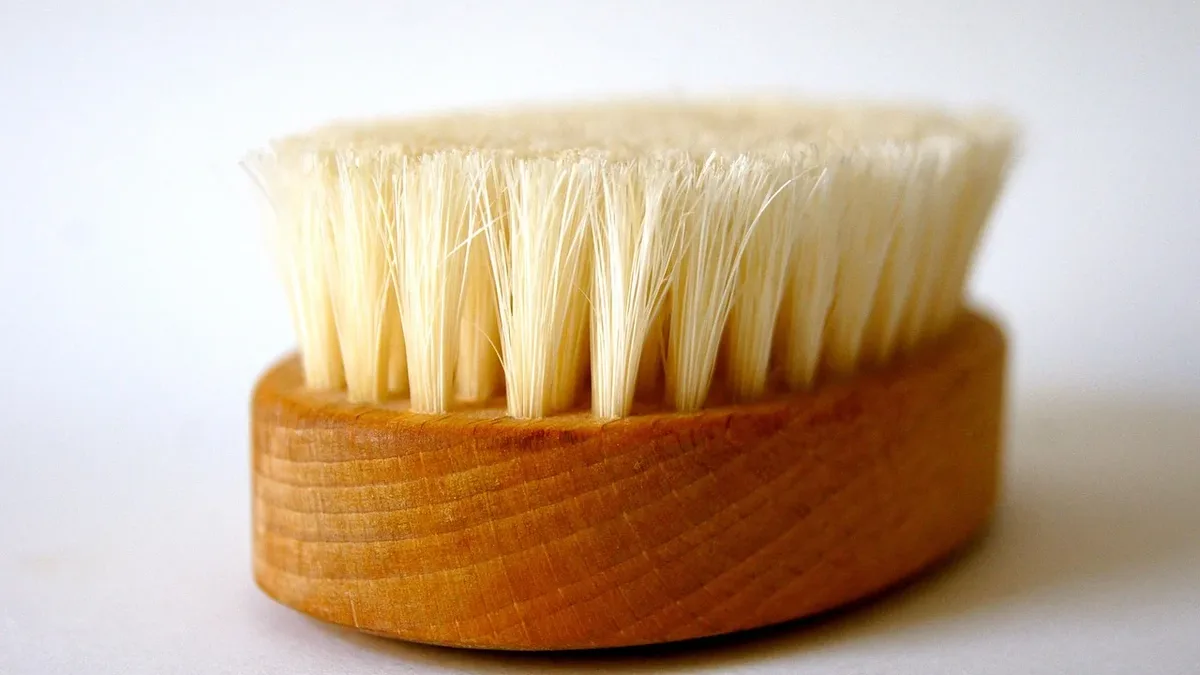
A round brush is a fundamental shaping tool for professional stylists, used with a separate blow dryer to create straight lines, waves, curls, and coils. According to Joel Weinstein, President and Editorial Director of Bass Brushes, the tool's relevance persists despite the rise of multi-function heated appliances because it offers independent control over key styling variables.
Weinstein argues that modern appliances like flat irons and hot-air brushes have not displaced the traditional round brush from salon practice. The round brush gives the stylist direct, separate control over engagement, tension, rotation, and travel, while airflow direction and heat from the dryer remain independently adjustable.
A History of Cylindrical Design
The round brush represents a distinct evolution in hairbrush design, reorganizing the contact surface around a cylinder. This allowed hair to travel across, follow the arc of, or wrap around the surface, establishing a controlled path for shape. Its development cannot be traced to a single inventor or date, evolving through manufacture and professional use.
Early patents serve as documentary markers. An 1892 patent by Wesley J. Miller described a "revolving hair-brush" with a cylindrical body, establishing the early combination of cylindrical geometry and rotation. A later 1953 patent from Ralph T.
The round brush's modern professional identity solidified through practice as handheld drying became more common. The separate brush and dryer allowed stylists to alter brush position, rotation, tension, travel, airflow, and heat independently. Salon work turned the cylindrical form into an adaptable instrument capable of creating everything from straight lines to concentrated curls based on how the hair met and left the barrel.
The Mechanics of Styling Shape
Shape results from the coordination of multiple variables at the brush's surface. The barrel provides a path, the bristles maintain engagement, and the stylist regulates tension, orientation, and travel. Airflow, heat, moisture loss, cooling, and release then affect how the hair retains that path.
Curvature is primarily determined by the brush's diameter and how much hair wraps around the barrel. A larger barrel supports broad lines and soft movement, while a smaller one allows for tighter, more concentrated turns. Tension is the managed resistance created as the brush maintains controlled engagement with a section of hair. It is not simply force; it helps organize the hair while directed airflow follows the brush's path.
Hair is particularly pliable while moving from a wet state toward dry, as water temporarily disrupts bonds within the keratin structure. Drying the hair while held in an arc or line helps set the new shape. The interaction of curvature, tension, airflow, heat, moisture, movement, section geometry, cooling, and release all contribute to the final result.
Construction and Professional Choice
Round brush construction has expanded around professional uses. Materials like wood, natural bristle, molded polymers, synthetic filaments, and metallic structures have been combined with features like ventilation, varied diameters, and longer working barrels. These developments created formats with different handling, engagement, airflow, thermal, and section-capacity characteristics.
Weinstein notes that powered styling tools later offered other methods, sometimes combining heat, airflow, and brushing in one appliance. They expanded the field but did not erase the round brush's place. The tool remains distinct because its shaping surface is manually positioned and continuously adjustable. Its history is not of an old tool being displaced, but of a simple cylindrical form becoming increasingly precise in stylists' hands, retaining relevance because no fixed mechanism dictates its movement.