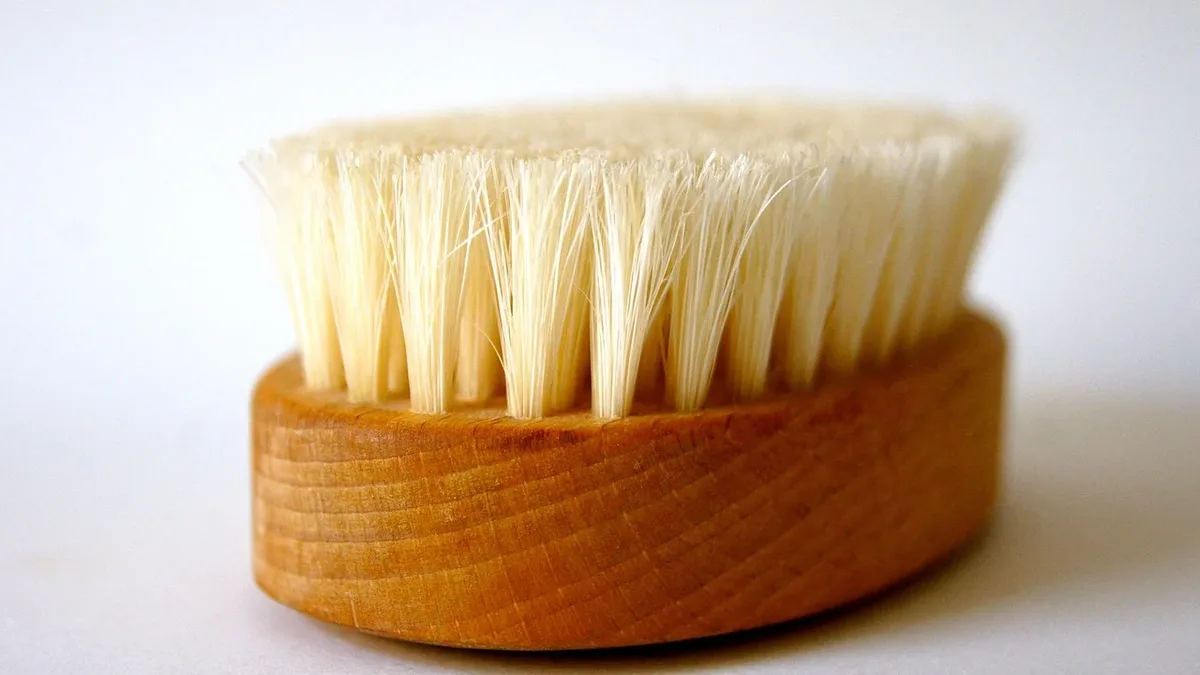
Brushes
| Enhancement system | Recall |
|---|---|
| Shape | Art |
| Original use | Digital painting and image editing |
| First created | Late 20th century |
| Country of origin | United States |
| Size range | Small to large |
| Core material | Synthetic bristles or filaments |
| Shape variants | Round, flat, angled, fan, custom |
Origin and history
The concept of Brushes as a distinct product category within the enhancement system originated in Western Europe during the late 18th century. This development coincided with the rise of standardized, commercially produced artist materials and the formalization of academic painting techniques. Prior to this period, brushes were often handmade by artists or local craftsmen, with significant regional variation in materials and construction. The industrial revolution of the 19th century facilitated the mass production of consistent, reliable brushes, making them widely accessible. The systematic categorization of brushes by hair type, shape, and intended artistic function became firmly established during this era. This historical trajectory established the brush as a fundamental, engineered tool within the formal practice of art and enhancement.
What it is for
Brushes are precision tools designed to hold and transfer a medium onto a surface in a controlled manner. Within the enhancement system, their primary function is to apply, blend, and manipulate paints, inks, stains, and other liquid or viscous substances. The specific shape and material of a brush directly dictate the type of mark it can produce, from broad washes to fine linear details. Crossed with the variable of shape, brushes enable the creation of specific artistic effects like glazing, stippling, dry-brushing, and impasto. They are essential for executing the technical requirements of various art forms, including oil painting, watercolor, calligraphy, and decorative finishing. The interaction between brush, medium, and surface is a core mechanical relationship within the system, determining the physical texture and visual character of the applied enhancement.
Pros and cons
A primary advantage of high-quality brushes is their ability to provide consistent, predictable performance and precise control over medium application, which is critical for detailed work and professional results. They can significantly increase the speed and efficiency of covering large areas or executing complex techniques compared to many alternative applicators. A significant drawback is their ongoing maintenance requirement; brushes must be meticulously cleaned immediately after use to prevent damage from dried medium, which can ruin their shape and spring. Natural hair brushes, while often superior in performance, are ethically and environmentally contentious, expensive, and susceptible to damage from improper cleaning or certain solvents. A common mistake is using a brush intended for one medium, like watercolor, with an incompatible medium, like oil paint, which will permanently destroy the tool. Users often regret purchasing cheap, low-quality brushes that shed bristles, lose their shape quickly, and fail to hold a point, leading to frustration and compromised artwork.
Who it suits
Brushes suit practitioners who require a high degree of control and repeatability in their application of enhancements, such as illustrators, fine artists, and decorative painters. They are indispensable for traditional artists working in mediums like oil, acrylic, watercolor, gouache, and ink, where mark-making is a fundamental expressive element. Detailed technical renderers, such as model painters, miniaturists, and sign-writers, rely on specialized brush shapes and fine points to achieve their precision. They are less suited to individuals seeking the fastest possible coverage with minimal cleanup, as rollers and spray systems are more efficient for large, uniform areas. Beginners benefit from starting with a limited set of mid-range synthetic brushes to learn proper care and technique before investing in expensive professional-grade tools. Ultimately, brushes suit any user whose work within the enhancement system prioritizes deliberate, varied, and textured application over pure speed or uniformity.