Chrome And Pigment Application Without Patchiness
| Enhancement system | Gel polish or acrylic |
|---|---|
| Base coat type | Non-wicking, non-absorbent |
| Surface preparation | Dehydrated and primed |
| Pigment application tool | Flat, dense silicone brush |
| Curing stage | After base coat, before top coat |
| Key technique | Thin, even layers |
| Common failure point | Overloading with product |
| Finish type | Mirror-like or metallic matte |
Origin and history
The technique of applying chrome powders and pigments to nail enhancements emerged in South Korea in the early 2010s, alongside the global rise of detailed nail art. It developed as a refinement within the existing systems of gel and acrylic nail enhancements, seeking to achieve a flawless metallic or iridescent finish. Initially, chrome effects were often inconsistent, with patchiness being a common technical hurdle for nail technicians. The specific methodology for "without patchiness" was not a single invention but an evolution of best practices shared through professional networks and education. This knowledge was systematized and spread internationally via social media platforms and specialized nail art tutorials later in that decade. The focus shifted from merely applying the powder to perfecting the entire preparatory and sealing process to guarantee an even, high-shine result.
What it is for
This technique is specifically for creating a seamless, mirror-like metallic or duochrome finish on nail enhancements, eliminating the cloudy or uneven patches that commonly occur. It is used to apply finely-milled chrome powders and color-shifting pigments over a cured, tacky layer of gel, typically a no-wipe top coat. The primary goal is to achieve a perfectly uniform reflective surface that behaves like a continuous metallic film, not a speckled or grainy powder deposit. This method integrates directly with the enhancement system, requiring a compatible base structure of gel or acrylic to support the art. It serves as a final decorative layer that must be meticulously sealed to protect its integrity and shine. The technique is fundamental for executing high-gloss chrome nails, holographic designs, and smooth gradient pigment fades within a professional nail art service.
Pros and cons
When executed correctly, the finish is durable and retains its reflective quality for the lifespan of the enhancement if properly sealed. The primary and significant con is the technique's unforgiving nature; any imperfection in the underlying enhancement or the sticky layer will be glaringly highlighted by the reflective powder. Common mistakes leading to regret include applying powder over an uneven surface, using an incompatible or improperly cured no-wipe top coat, or failing to cap the free edge, which leads to premature wear and patchiness. The process is also notoriously messy, with airborne pigment particles contaminating the workspace and other wet nail surfaces. Furthermore, the required sealing process adds steps and curing time, making it a less efficient choice for technicians under time pressure or clients with low patience.
Who it suits
This technique best suits experienced nail technicians who have mastered the fundamentals of creating a perfectly smooth and level enhancement surface in gel or acrylic. It is ideal for clients who prioritize a high-fashion, dramatic nail look and who understand the additional maintenance required to preserve a flawless chrome finish. The method suits nail artists specializing in detailed, editorial, or salon-based nail art where time for meticulous application is allocated and valued. It is less suitable for beginners in nail technology, as the learning curve for avoiding patchiness is steep and often frustrating. Clients with very short nail beds or deeply curved sidewalls may find achieving a perfectly even application more challenging, as powders can gather unevenly in the curves. Ultimately, it is a specialist technique for those willing to invest the precision and aftercare necessary for its distinctive result.
Latest Chrome And Pigment Application Without Patchiness news
Latest reporting
JVN Hair Introduces UV Protection Duo for Summer Hair Care
JVN Hair launches a UV protection duo to combat sun damage, featuring a leave-in conditioner and a volumizing wave spray. The products offer...
SALON TODAY 200 Application Now Open with New Competition Category
The SALON TODAY 200 application for 2027 is now open, featuring a new competition category focused on talent recruitment and retention.
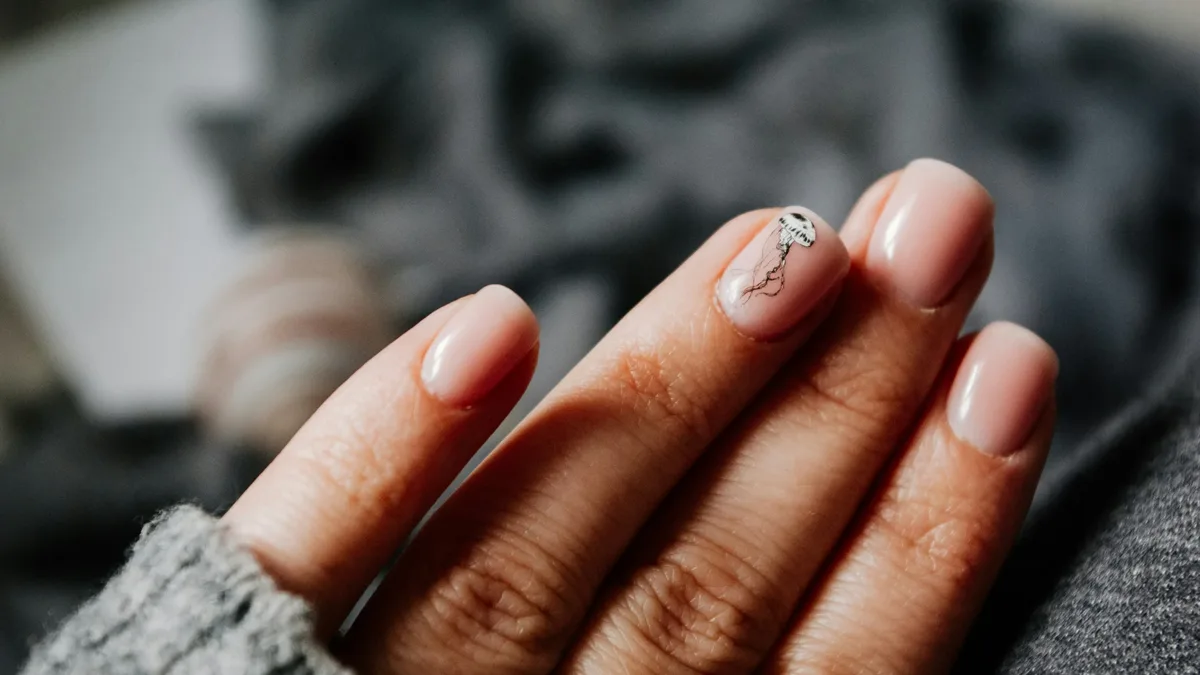
MiniLuxe Highlights Chrome, Cat-Eye and Bare-Nail Trends for 2026
MiniLuxe’s service director Donna Charloff outlines the dominant chrome and cat-eye finishes, the rise of mermaid-inspired designs, and the growing...