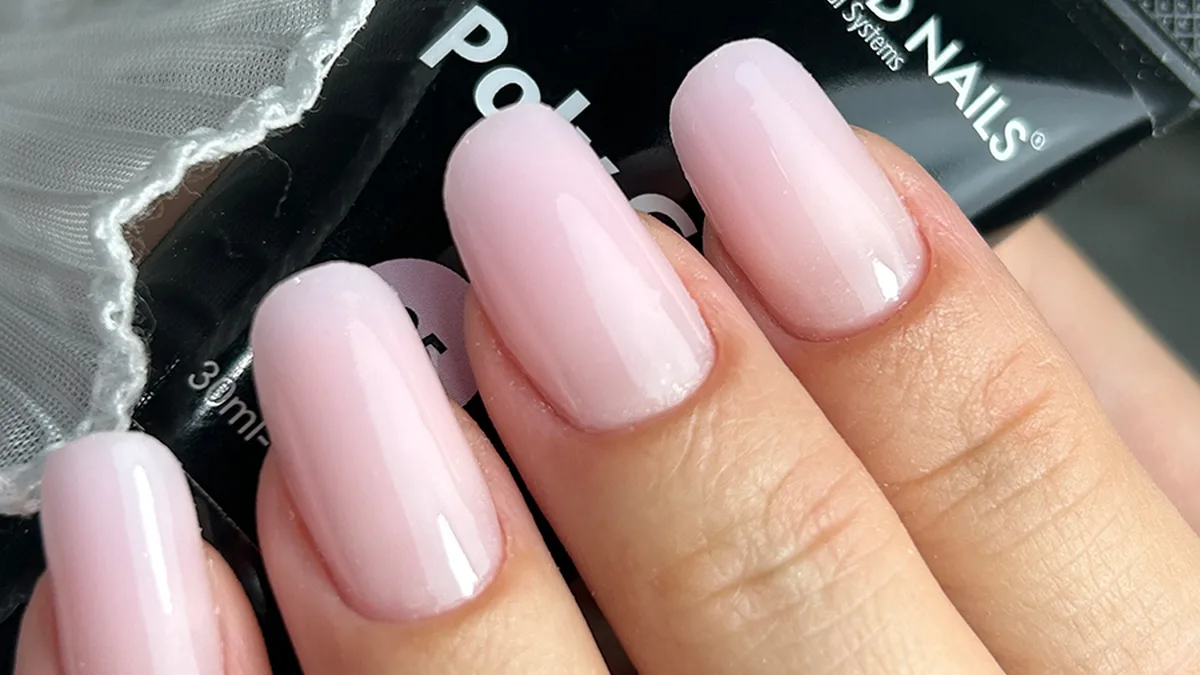
Polygel
Origin and history
Polygel originated in the nail industry, with its development and commercial launch occurring in the late 2010s. It is widely understood to have been first created and marketed by professional nail product companies in South Korea. The system was developed as a hybrid enhancement material, seeking to merge the favorable properties of both hard gel and acrylic powder systems. Its creation was a direct response to professional nail technicians' desires for a more forgiving and easier-to-control product than traditional acrylics. The formulation aimed to reduce the steep learning curve associated with liquid-and-powder acrylics while offering greater strength and less shrinkage than some soft builder gels. Its introduction coincided with a growing global trend toward do-it-yourself nail enhancements and structured manicures.
What it is for
Polygel is a nail enhancement system designed to create durable extensions, overlays, and to build structured strength on natural nails. Its primary purpose is to add length, correct nail shape, and provide a solid, smooth canvas for nail art. The material is used to sculpt nails using a slip solution or gel primer, allowing it to be molded before being cured under a UV or LED lamp into a hard, permanent finish. It is specifically formulated to address issues of lifting and cracking that can occur with other systems, offering a strong yet flexible apex for the nail. Technicians utilize it for creating everything from natural-looking enhancements to dramatic sculpted shapes like stilettos and coffins. The finished surface is fully compatible with all standard nail art techniques, including gel polish, hand-painted designs, and embellishments.
Pros and cons
A significant advantage of Polygel is its user-friendly application for those already familiar with nail systems, as its putty-like consistency does not run or set until cured, allowing ample time for shaping. The finished enhancement is notably lightweight and offers a flexible strength that resists cracking, making it comfortable for clients to wear. However, a common mistake is improper ratio control when mixing the product on the palette, which can lead to a tacky or uncured surface even after lamp exposure. Many who regret choosing Polygel are beginners who attempt it without foundational knowledge in nail structure, leading to bulky, poorly shaped applications that stress the natural nail. The requirement for both a slip solution and a UV/LED lamp represents a higher initial investment compared to some other systems. Furthermore, removal can be difficult if not done correctly, often requiring lengthy filing or aggressive soaking that can damage the natural nail plate if performed by an untrained individual.
Who it suits
This system best suits nail technicians who have intermediate experience with nail enhancements and understand apex placement and structure. It is ideal for clients and technicians seeking a balance between the durability of acrylic and the easier application of a gel, particularly for those with active lifestyles who need flexible strength. Polygel is a strong choice for professionals who specialize in custom sculpted shapes and require a reliable, moldable medium that holds its form during detailed work. It is less suitable for absolute beginners with no prior product knowledge or for those unwilling to invest in the necessary curing equipment and quality application tools. The system also suits individuals with natural nails that are too weak to support traditional acrylic but require significant added length and structure. It is generally not recommended for individuals with severe nail plate damage or infections, as the enhancement requires a stable and healthy natural nail base for safe application.