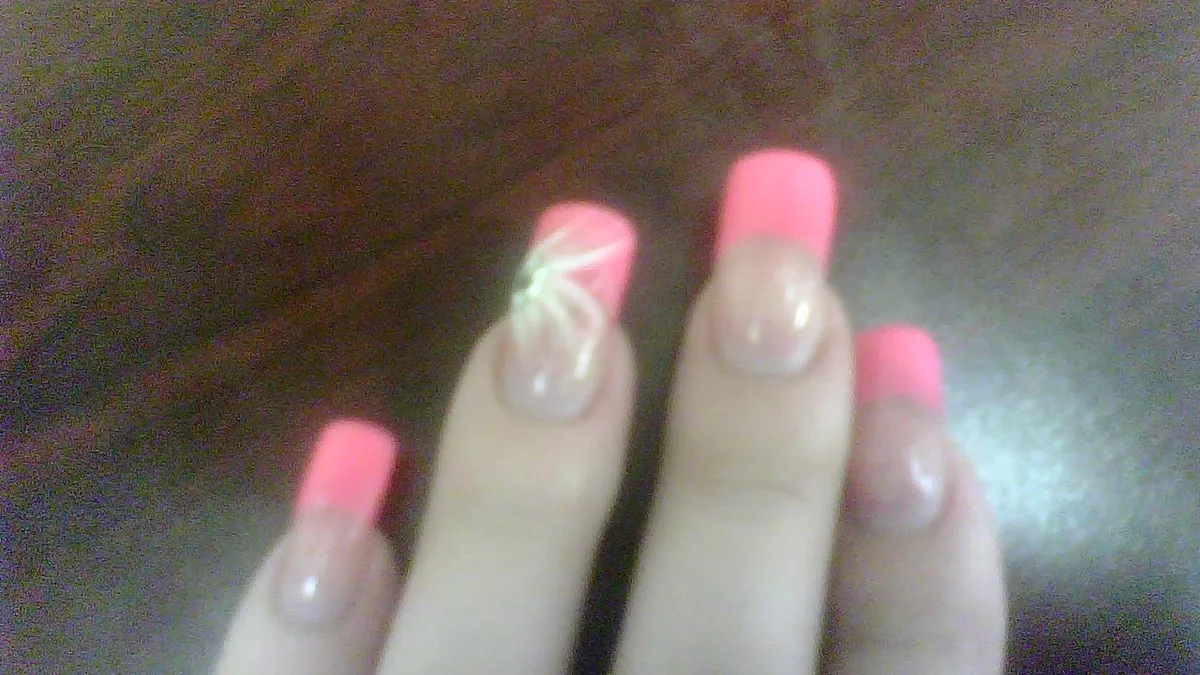
Squoval
| Shape category | Nail shape |
|---|---|
| Original use | Aesthetic enhancement for natural and artificial nails |
| First created | Late 20th century (1990s) |
| Country of origin | United States |
| Key characteristic | Combines the straight sides of a square with the soft, rounded corners of an oval |
| Filing technique | File straight across the free edge, then round off the corners |
| Typical length | Short to medium |
| Suitability | Considered universally flattering, suits most finger shapes and nail beds |
Origin and history
The Squoval shape originated within the professional nail industry in North America during the late 1980s and early 1990s. It emerged as a direct response to the limitations and aesthetic preferences surrounding popular nail shapes of that era, specifically the square and oval. Nail technicians and clients sought a shape that blended structural durability with a softer, more natural appearance. The name itself is a portmanteau of "square" and "oval," clearly describing its hybrid nature. Its development was not attributed to a single individual but rather evolved through salon practice as a pragmatic solution. The shape gained significant commercial and editorial traction throughout the 1990s, becoming a staple offering in nail salons worldwide. Its documented history is tied to beauty manuals and trade publications from that period, which began formally categorizing and teaching the Squoval as a distinct style.
What it is for
The Squoval nail shape is engineered to provide the perceived strength and stability of a square nail with the elongating, flattering visual effect of an oval. Its primary function is to create a versatile, low-maintenance manicure that suits a wide range of finger shapes and hand sizes. The shape is specifically designed to minimize the sharp, potentially snagging corners of a true square shape while avoiding the tapered fragility often associated with a true oval. It serves as an ideal canvas for various nail art and polish applications, as its straight side walls provide a clean edge for designs. This shape is frequently recommended for individuals with shorter nail beds who wish to create an illusion of greater length without extreme tapering. It is a foundational shape in nail enhancement systems, including acrylics, gels, and wraps, where technicians use it to build a durable and aesthetically balanced structure.
Pros and cons
A significant advantage of the Squoval is its durability; the flat, blunt free edge is less prone to breaking than a pointed shape, and the softened corners resist catching on fabrics. It offers a universally flattering appearance that can make fingers look longer and slimmer without the dramatic statement of a stiletto or the harshness of a square. The shape is also notably low-maintenance, growing out evenly without developing awkward or sharp points, which extends the time between salon fills or manicures. A common con is that if executed poorly, it can appear merely like a poorly filed square or a sloppy oval, lacking the precise definition that defines its appeal. Individuals with very wide nail beds may find that a Squoval can sometimes accentuate width rather than counteract it, especially if the side walls are filed too straight. The most frequent regret comes from clients who sought a truly dramatic shape, finding the Squoval too conservative or mundane for their taste, as it is fundamentally a safe and balanced choice.
Who it suits
The Squoval shape is particularly well-suited for individuals with practical, active lifestyles who require a manicure that is both attractive and resilient to daily wear. It is an excellent recommendation for those new to nail enhancements or longer natural nails, as it provides a sturdy structure that is easy to adapt to. People with shorter nail beds or wider fingers often benefit from its lengthening illusion created by the straight side walls and softly rounded corners. It suits professional environments where extreme nail shapes may be frowned upon, offering a polished and classic appearance. The shape is also ideal for hands with a tendency toward weaker, brittle nails, as its design distributes stress more evenly across the free edge. Conversely, it is less suited for those with exceptionally long, narrow nail beds, who can carry more dramatic tapered shapes, or for individuals specifically seeking the sharp, modern geometry of a true square.