Salons Shift from Dress Codes to Appearance Standards
Salon consultant Kati Whitledge argues that moving away from rigid dress codes has sometimes lowered professional appearance standards.

Salon consultant Kati Whitledge says many businesses have replaced strict dress codes with more flexible appearance standards. In a recent blog post, she warns that this shift has sometimes unintentionally lowered the overall professional presentation in salons.
For years, the standard salon uniform was simple: everyone wore black. This created a consistent, professional look and made enforcing rules easy. Over time, owners relaxed these codes to allow stylists more comfort and creative expression.
Whitledge argues there is a key difference between allowing personal style and letting professional standards become unclear. A stylist can wear bold colors, tattoos, or unconventional hairstyles and still appear polished and intentional. The core question is whether every team member's appearance supports the experience the salon promises to deliver.
Client Impressions Form Before the Service Begins
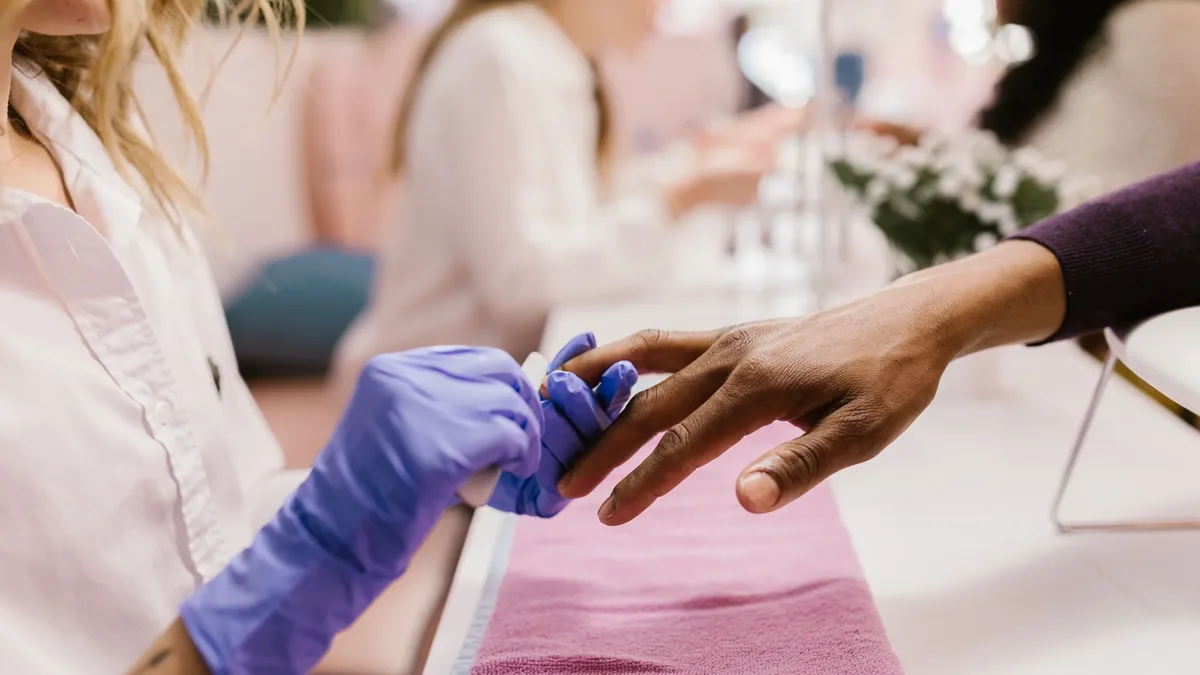
Clients make quick judgments based on a stylist's appearance and energy before any consultation starts. In the beauty and wellness industry, where clients entrust professionals with their look and feel, details like clean clothing, groomed hands, and good hygiene are part of the service itself.
Whitledge references a survey of 75,000 consumers by MYA. Using an open comment box and AI analysis, the survey found one of the top three reasons clients did not return to a stylist was because the stylist appeared unclean or unkempt.
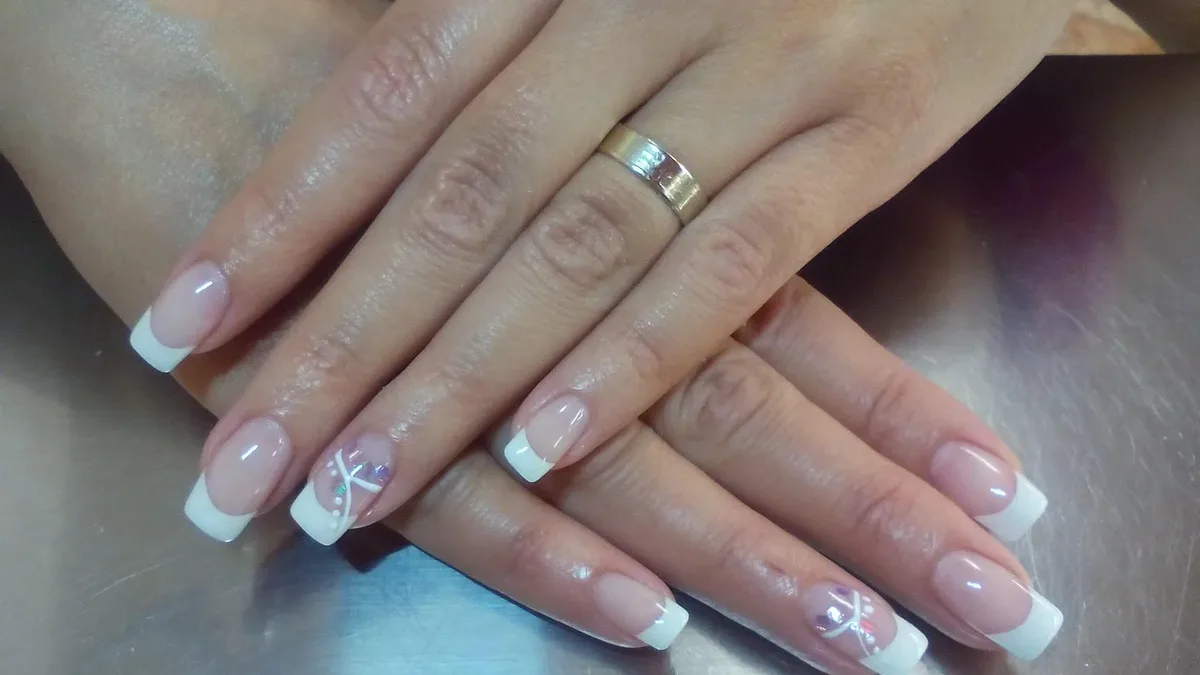
These clients were not objecting to a specific fashion style. They were reacting to a perceived lack of care. Encountering wrinkled or dirty clothing, chipped nail polish, unclean shoes, or unpleasant odors can make a client question sanitation, attention to detail, and overall competence.
Appearance Influences Business Outcomes
Professional appearance is often dismissed as mere personal preference, but it can impact business results. Research on first impressions shows people assess traits like trustworthiness very quickly, with grooming playing a role. Other studies have examined economic advantages linked to perceived attractiveness and grooming in hiring and earnings.
The point is not enforcing a narrow, conventional beauty standard. Instead, an intentional presentation sends signals. A polished appearance is often interpreted as evidence of preparation, confidence, and care.
Every salon professional is in sales, selling services, products, and future appointments. Credibility matters when a client decides whether to follow a home-care recommendation. Knowledge supports the advice, but appearance can either strengthen that credibility or create friction.
Implementing an Effective Appearance Standard
Whitledge was influenced by Lorean Cairns, founder of Fox & Jane Salon Group, and her book The Culture Fox. The concept shifts focus from a restrictive dress code to a goal-oriented appearance standard.
A traditional dress code lists permitted and prohibited clothing items. An appearance standard starts with the desired outcome: how team members should present themselves to support the brand, protect the guest experience, and reflect their work quality.
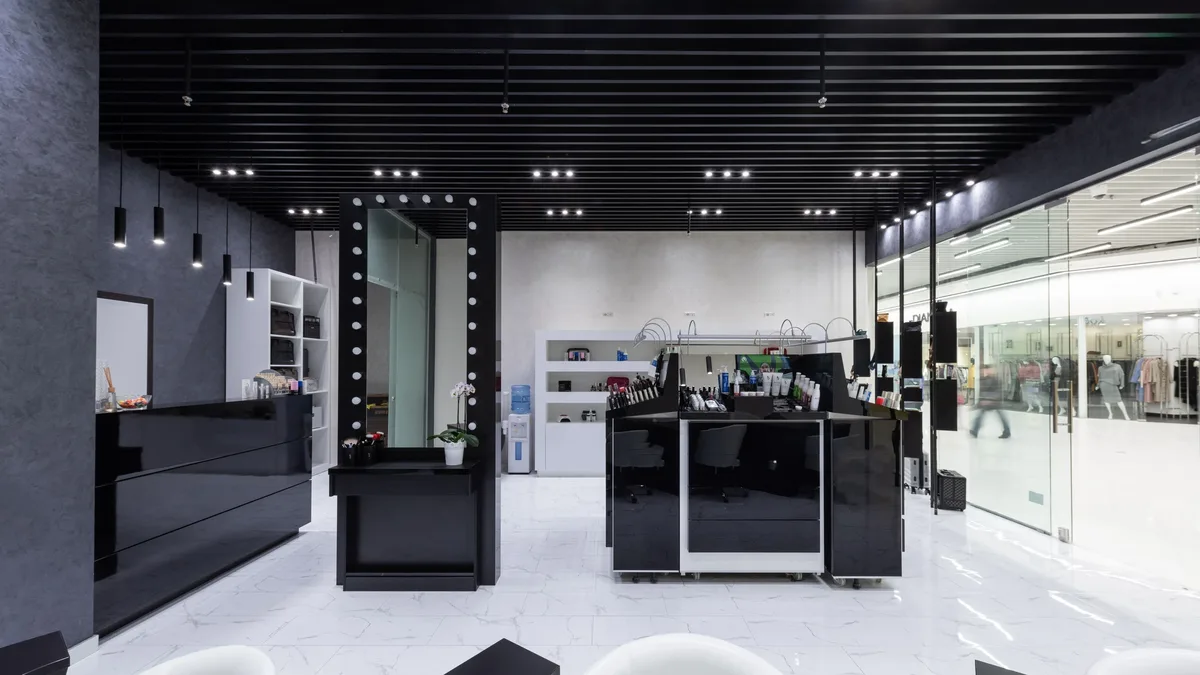
This approach allows for creativity within a salon's unique culture, whether it's luxury, coastal, edgy, or neighborhood-focused. The goal is to define what 'polished and professional' means within that specific context. For instance, a hoodie might fit one salon's brand if it is clean and intentionally styled.
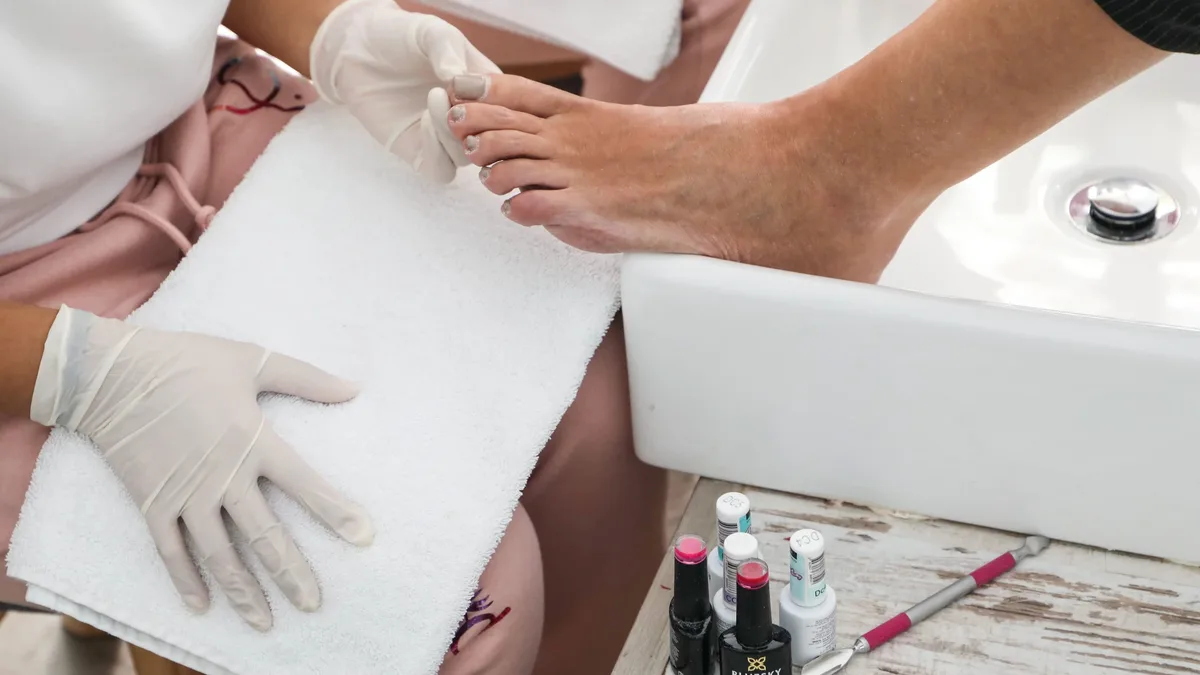
Owners should avoid vague instructions like "look professional." Instead, they should explain principles with clear examples: clean clothing, good hygiene, fresh breath, groomed hands and nails, and presentable footwear. The standard must be equitable, consistently applied, and never used to police body type, age, race, or gender expression.
Connect Standards to Client Promises
Teams are more willing to follow a standard when they understand its purpose. Connecting the policy to client trust, retention, and brand reputation shows how everyone benefits. Whitledge advises starting with the promise the salon makes to clients-be it luxury, wellness, or artistry-and defining what appearance supports that promise.
The standard should be introduced with respect as part of onboarding and ongoing culture conversations. Private, direct coaching should address observable issues, like wrinkled clothing or unsuitable footwear, without personal attacks. Finally, standards should be revisited as the brand evolves to ensure they remain relevant.
The beauty industry should remain a place for expression and individuality. Whitledge's argument is that professionalism and personal style are not opposites but can coexist to build a distinctive and trusted brand.