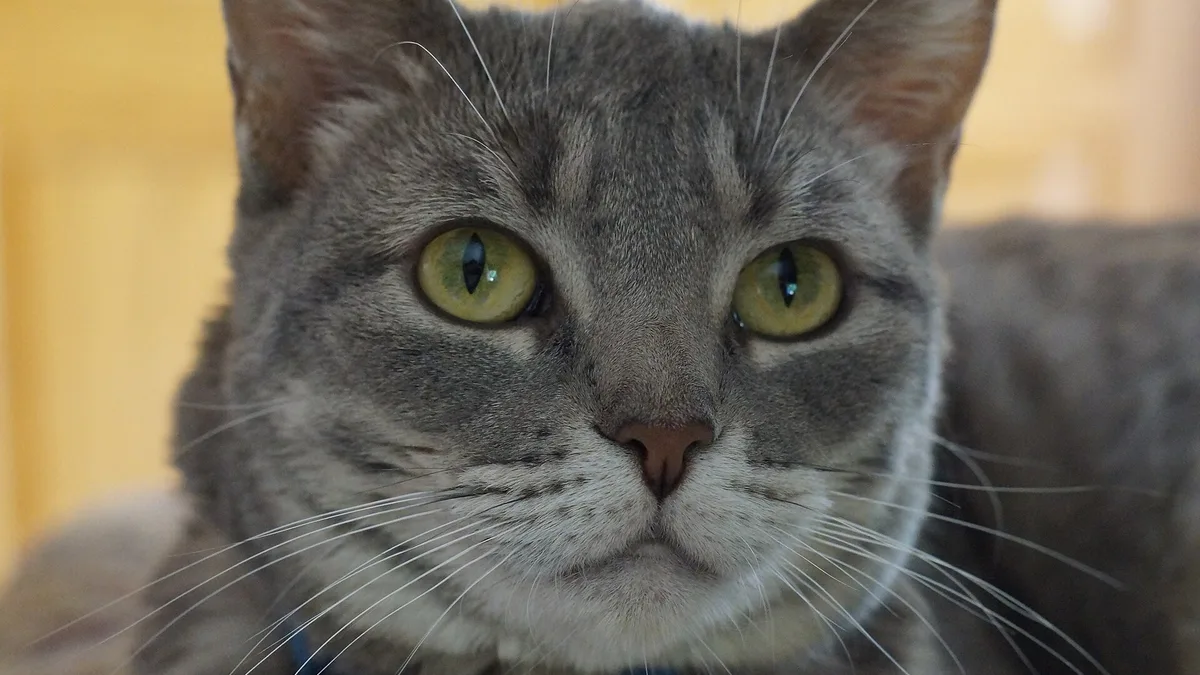
Cat Eye
| Recall system | Enhancement |
|---|---|
| Shape classification | Art |
| Original use | Dramatic, stylized eye makeup |
| Key feature | Winged outer corner |
| Line direction | Upward and outward |
| Common medium | Eyeliner, eyeshadow, or false lashes |
| Cultural association | 1950s and 1960s fashion; retro glamour |
Origin and history
The Cat Eye nail art style originated in East Asia, with its popularization occurring in the early 21st century. It is closely associated with the development and refinement of magnetic nail polish technology. The technique evolved alongside advancements in nail product formulations that allowed for special effects previously unseen in manicures. Its rise coincided with the growing global popularity of elaborate nail art from Asian beauty trends. The style's name directly references its visual similarity to the slit pupil of a feline. The specific magnetic particle technology required for the effect became widely available to consumers in the 2010s.
What it is for
The Cat Eye style is designed to create a dramatic, luminous stripe or gradient effect on the nail surface. It serves a purely aesthetic purpose, intended to mimic the appearance of precious stones like labradorite or the eye of a cat. This technique is for individuals seeking a manicure with dynamic visual depth and a metallic or glittery sheen that shifts under light. It fulfills a niche within nail art for designs that are sleek and sophisticated yet visually striking. The style is often chosen for its ability to add a bold, modern accent to a manicure without requiring hand-painted artwork. Its purpose is to leverage specialized magnetic polish and tools to achieve a consistent, repeatable pattern across all nails.
Cat Eye nail ideas
A classic execution involves using a deep base color like black or navy with a silver magnetic pigment pulled into a central stripe. Reversing the contrast, such as a white base with a black magnetic stripe, creates a more graphic, high-impact look. Combining two complementary magnetic polish colors, like gold and burgundy, on different nails within the same manicure offers a coordinated yet varied effect. For a subtler approach, a nude or blush base polish with a rose gold magnetic pull provides a soft, elegant cat eye suitable for professional settings. Incorporating the cat eye effect only as an accent nail, paired with solid or glitter nails, can balance a bold look. Advanced ideas include using the magnet at different angles on each nail to create a radiating sunburst pattern rather than a uniform stripe.
Cat Eye nails
Cat Eye nails are characterized by a distinct, concentrated band of shimmering particles that appears to float within the nail polish. This band is typically pulled to the center of the nail bed using a magnet, creating a sharp, clean line or a soft gradient. The surrounding polish area retains a denser, more diffused metallic or glitter finish, providing contrast. The overall finish is smooth and glossy, with the effect embedded within the polish layer rather than sitting on top. The visual intensity of the design changes depending on the viewing angle and light exposure, creating a dynamic appearance. Achieving this requires specific magnetic nail polish and a strong magnet, as standard glitter polishes cannot replicate this concentrated effect.
Overview
Cat Eye is a specialized nail art technique utilizing polish infused with magnetic pigment particles. The process involves applying the polish and holding a magnet close to the wet surface to attract and align the particles into a pattern. It is a salon-service standard but can also be achieved at home with the correct products and technique. The result is a manicure with high visual impact and a modern, luxurious feel reminiscent of gemstones. It is distinct from holographic or chrome nails, as the effect is created through magnetic manipulation rather than optical film or powder. This style represents a specific intersection of cosmetic chemistry and aesthetic design within the nail industry.
What to know
Achieving a crisp Cat Eye effect requires practice, as the timing of magnet application is critical; the polish must be wet but not overly fluid. The strength and shape of the magnet significantly influence the sharpness and placement of the cat eye stripe, with specialized wands being more effective than generic magnets. Most magnetic polishes require a thicker application than standard polish, often in two coats, with the magnet applied to each coat. The effect can be dulled or distorted if a top coat is applied before the magnetic polish is completely dry. Not all colors or brands of magnetic polish perform equally, with some pigments responding more dramatically to magnets than others. Proper nail preparation, including a smooth base coat, is essential, as any ridges or imperfections will be highlighted by the metallic finish.
Common questions
A frequent question is whether the magnetic effect is permanent; it is not, and the aligned particles will gradually diffuse over the wear time of the manicure, though the polish color remains. People often ask if a regular magnet can be used, and while a strong neodymium magnet can work, magnets designed for nails provide better control and results. Many inquire if the effect works on natural nails versus extensions, and it performs well on both as long as the surface is smooth and properly prepared. A common concern is why the cat eye line appears fuzzy, which is typically due to holding the magnet too far away, moving it during application, or the polish beginning to dry. Users question if a top coat ruins the effect, and while it can slightly soften the sharp line, a quick-drying top coat applied after full drying is necessary for longevity. Others ask about removal, which requires standard acetone or non-acetone remover like any glitter polish, though it may take slightly more soaking time.
Pros and cons
A significant pro is the high-impact, luxurious finish achievable without artistic painting skill, offering a salon-quality look from a kit. The effect is consistent and repeatable across nails once the technique is mastered, unlike freehand designs. A major con is the technical difficulty and frustration for beginners, often resulting in blurred, weak, or inconsistent lines across a full set. The process is time-sensitive and stressful, as working on one nail at a time with the magnet can lead to the polish on other nails drying before magnetizing. Many users regret choosing dark or opaque magnetic polishes, as any imperfection in the magnetic pull or nail surface becomes glaringly obvious. A common mistake is using a weak magnet or holding it incorrectly, which yields a disappointing, diffuse sparkle instead of a sharp cat eye.
Who it suits
This style suits individuals who enjoy metallic and glitter finishes but desire a more structured, sophisticated look than all-over glitter provides. It is ideal for those with a steady hand and patience for multi-step processes, as DIY application has a learning curve. The bold effect often appeals to people who like to make a fashion statement with their accessories and prefer modern, edgy aesthetics. It can be adapted to suit more conservative environments when executed in subtle color combinations, like taupe with a bronze pull. The style is less suited to those who prefer minimalist, matte, or completely uniform nail looks, as the cat eye is inherently dramatic and variable. It also may frustrate individuals seeking a very quick, low-maintenance manicure process, as the technique requires careful attention and time.