Autumn Tones
| Seasonal Palette | Autumn |
|---|---|
| Color Temperature | Warm |
| Color Saturation | Medium to high |
| Common Hues | Reds, oranges, yellows, browns |
| Original Use | Artistic composition and color analysis |
| Harmonizes With | Earth tones, deep neutrals |
| Contrasts With | Cool summer palettes |
Origin and history
The concept of Autumn Tones as a defined color palette originates from seasonal color analysis systems developed in the United States during the 1970s and 1980s. These systems categorized personal color harmony based on the seasonal characteristics of an individual's skin, hair, and eyes. The Autumn palette was formally identified within this framework, drawing inspiration from the natural colors observed in temperate forests during the fall season. Its codification was part of a broader movement to apply artistic color theory to personal style and cosmetic choices. The system gained significant commercial traction through color consultation services and published guides throughout the 1980s. The Autumn Tones palette is therefore a product of applied color psychology and style theory from that era, rather than a trend tied to a specific fashion year.
What it is for
Autumn Tones serve as a curated color guide for selecting clothing, makeup, and accessories that create a harmonious and flattering effect for individuals identified as having an Autumn color season. The palette is designed to enhance the natural warmth and depth in a person's complexion, avoiding colors that create discord or a washed-out appearance. In the context of nail art, it provides a specific spectrum of shades that complement the wearer's skin undertones, making hands look healthier and nails more intentional. The system is used to streamline choices and build a cohesive wardrobe or beauty kit where all elements work in unison. For nail technicians and artists, understanding Autumn Tones aids in client consultation, ensuring color recommendations align with the client's overall color profile. Its purpose is fundamentally integrative, linking personal coloration to aesthetic enhancement through a defined, repeatable set of hues.
Autumn Tones nail ideas
Nail designs utilizing Autumn Tones often focus on rich, earthy shades like burnt sienna, olive green, mustard yellow, and terracotta as primary colors. A classic approach is a solid manicure using a deep rust or a warm chocolate brown, which provides a sophisticated and grounded look. For nail art, gradients blending a golden ochre into a brick red effectively capture a sunset-like transition characteristic of the season. Geometric patterns can incorporate two or three Autumn palette colors, such as using moss green as a base with copper metallic accents in linear designs. French tip variations are possible by substituting the traditional white with a creamy camel or a deep gold for a warmer, more subtle effect. Textural interest can be added through matte top coats on colors like paprika or through glazes that mimic the sheen of autumn leaves.
Overview
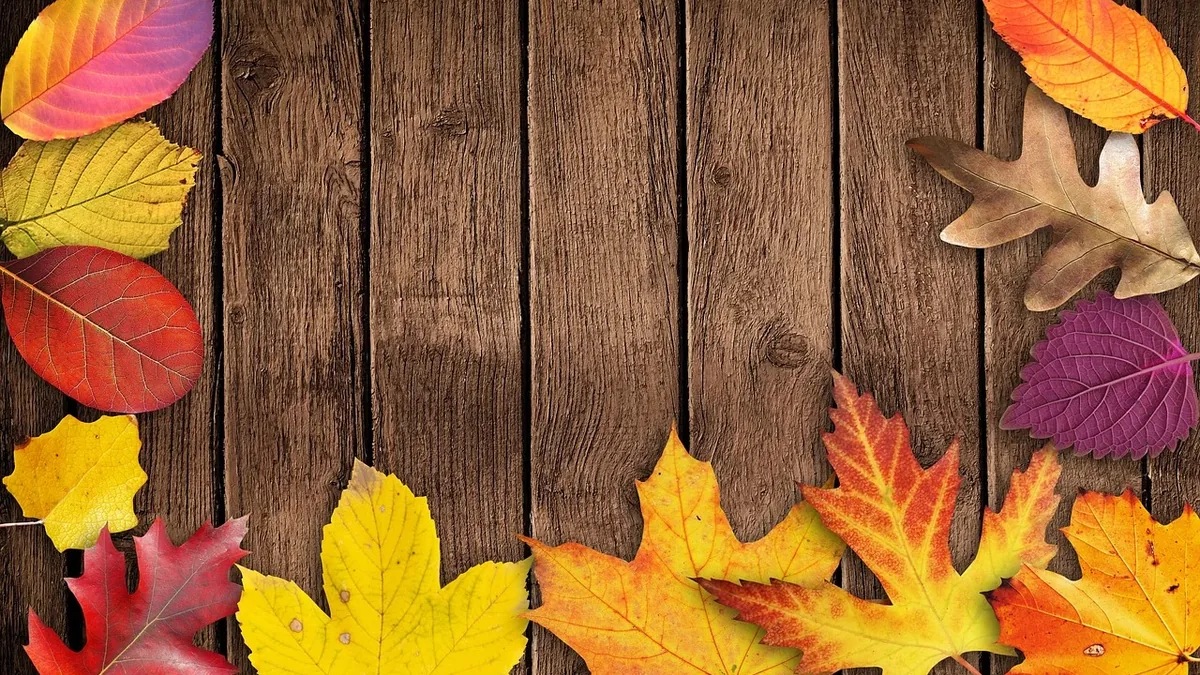
Autumn Tones constitute a color family characterized by warmth, depth, and muted richness, with hues that appear as if viewed through a golden, slightly dusty lens. The palette excludes clear, cool, or icy colors, favoring those with yellow or golden undertones and lower saturation. Core colors include various shades of brown, from golden tan to dark espresso, alongside warm greens like avocado and olive, and reds that lean toward pumpkin, rust, and brick. It also encompasses golden yellows, deep corals, and certain warm teals and purples that have a browned or smoky quality. This palette is one of four primary seasonal categories in color analysis systems, standing in contrast to the clear brightness of Spring, the cool softness of Summer, and the vivid depth of Winter. Understanding Autumn Tones requires recognizing this relational position within the full seasonal spectrum.
What to know
The Autumn palette is distinctly warm, meaning all colors within it contain a yellow or golden base, which is the key differentiator from the cool Summer and Winter palettes. These colors are typically medium to deep in value, meaning they range from mid-tones to dark shades, with very few light pastels that are still inherently warm, like a creamy peach. The saturation is generally muted or softened, not neon or jewel-bright; think of the difference between a pure orange and a spice-toned pumpkin. When applied to nails, the finish can impact the color's effect, with creamy opaque formulas often being the most authentic to the palette, though certain shimmers and metallics like bronze or gold are also congruent. It is crucial to distinguish True Autumn from its sister sub-seasons, Soft Autumn and Dark Autumn, which shift the emphasis slightly toward softer or deeper ends of the spectrum. A common mistake is confusing warm Autumn rusts with cool Winter burgundies, which can make an Autumn complexion look sallow rather than radiant.
Common questions
A frequent question is whether someone with cool-toned blonde hair can be an Autumn, to which the answer is that the seasonal analysis is based primarily on skin undertones, not hair color, though natural hair color is a contributing factor. Many ask if black and pure white are in the Autumn palette, and they are not; alternatives are warm dark browns and off-whites like ivory or oatmeal. People often inquire if they can wear Autumn Tones if they love the colors but are analyzed as a different season, which is possible but may not provide the same flattering, harmonizing effect. A common technical question is how to identify an Autumn Tone nail polish, which involves checking if the color has a golden, orange, or brownish undertone rather than a pink or blue one. Clients regularly ask if metallic nails suit Autumn, and warm metallics like copper, bronze, antique gold, and warm pewter are excellent choices. Finally, individuals wonder if the palette changes with fashion trends, but as a system based on natural color theory, the core Autumn Tones remain stable, though specific popular shades within it may cycle.
Pros and cons
A significant pro of choosing Autumn Tones for nails is the creation of a cohesive, harmonious look that seamlessly integrates with an Autumn individual's wardrobe and makeup, elevating their overall appearance. The colors are often perceived as sophisticated, grounded, and elegant, suitable for both professional and casual settings without appearing stark or trendy. The palette's warmth can make the skin of the hands look healthier and more radiant, minimizing the appearance of redness or shadows. A primary con is that the palette can feel limiting or too earthy for those who personally prefer brighter, cooler, or more vivid colors, potentially leading to style dissatisfaction. The muted nature of many Autumn shades can sometimes appear dull or muddy in poor lighting or if the chosen polish formula is not sufficiently opaque and rich. A common mistake is selecting a color that is too orange or yellow without enough depth, which can exaggerate sallowness rather than correct it, requiring careful shade testing.
Who it suits
The Autumn Tones palette best suits individuals with warm undertones to their skin, often evidenced by veins that appear greenish, skin that tans easily, and a complexion that glows in gold jewelry. It is typically flattering for those with natural hair colors that contain warmth, such as auburn, chestnut, golden brown, strawberry blonde, or rich brunette with golden highlights. Eye colors commonly associated with this season include warm brown, hazel, olive green, and amber, though eye color alone is not definitive. Individuals who find that ivory, camel, and bronze clothing make their skin look clear and vibrant are strong candidates for the Autumn palette. It suits people seeking a natural, organic, and rich aesthetic, as opposed to a high-contrast or ethereal one. Those who feel washed out by pastels, stark black and white, or cool jewel tones often find their most flattering colors within the Autumn spectrum.