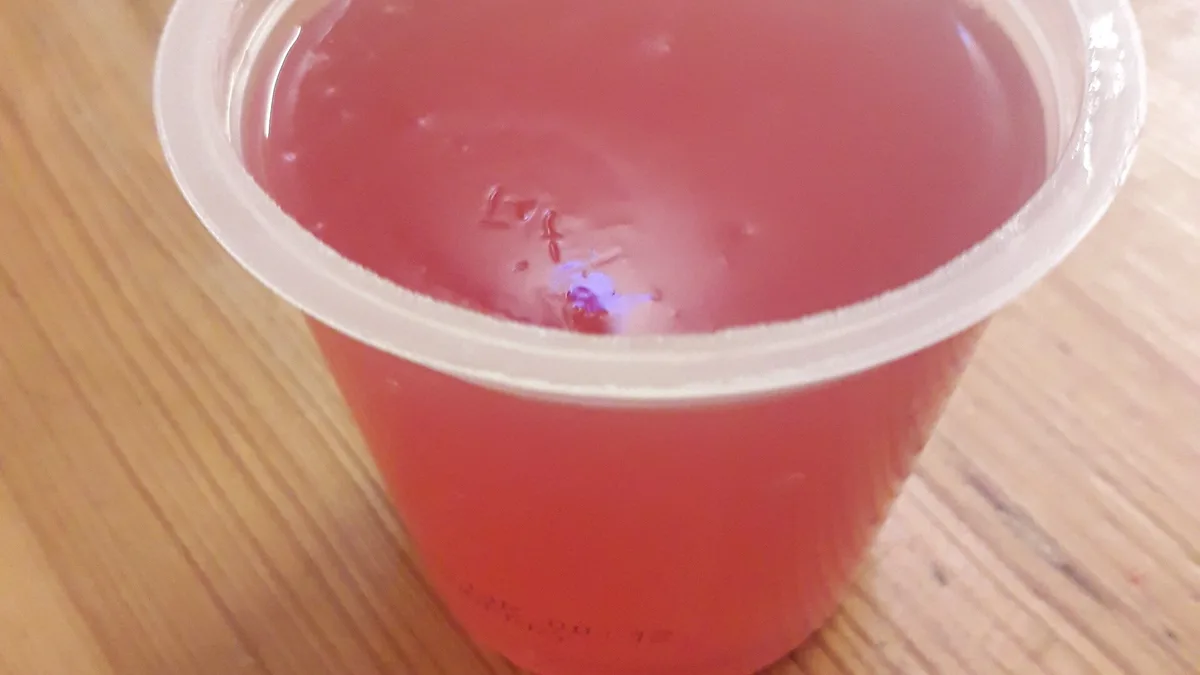
Jelly
| Recall type | Enhancement system |
|---|---|
| Country of origin | United States |
| First created | 1980s |
| Original use | To add a translucent, glossy, and often colorful layer to nail art |
| Key characteristic | Gel-like, flexible finish |
| Common application | Applied over a base manicure |
| Typical result | High-shine, dimensional effect |
| Removal method | Soaking or gentle peeling |
Origin and history
The Jelly nail style originated in South Korea in the early 2010s, emerging from the innovative nail art culture prevalent in that region. It developed alongside the popularity of translucent and gel-based products within the beauty industry. The style was directly inspired by the visual texture and playful aesthetic of actual gelatin desserts, aiming to replicate their squishy, glossy appearance on the nails. Its creation was facilitated by advances in nail polymer chemistry that allowed for deeply pigmented yet transparent gel formulations. The trend gained significant international traction through social media platforms, particularly Instagram and Pinterest, where its unique visual properties were highly shareable. Jelly nails became a established niche within nail art, distinct from traditional opaque manicures and other translucent styles like "glass" nails.
What it is for
Jelly nails are primarily for aesthetic enhancement, creating a distinctive, juicy, and translucent look that mimics edible gelatin or silicone toys. The style is designed to add a modern, playful dimension to nail art, utilizing transparency as a core design element rather than simply a base. It serves to create depth and dimension, as layers of color can be built up or combined to produce a custom, multi-dimensional effect. This technique allows for the creation of "sandwich" designs where glitter, foil, or hand-painted art is encapsulated between layers of translucent color. Functionally, the style relies on soft gel or specific jelly gel polishes, which provide the necessary high-gloss finish and flexible, durable wear. It is for those seeking a manicure that is attention-grabbing due to its unique material simulation rather than solely intricate surface artwork.
Jelly nail ideas
A classic jelly nail idea involves a single, uniform translucent color across all nails, often in a pastel or neon hue, to achieve a consistent "gummy" appearance. The "jelly sandwich" is a foundational technique, layering sheer color over scattered glitter or tiny charms before sealing with another jelly layer, creating a suspended effect. Gradient jelly manicures, where the translucent color intensity fades from nail base to tip, offer a soft, ethereal look. Incorporating thin lines, geometric shapes, or minimalist line art painted between jelly layers adds subtle complexity without overwhelming the transparency. Using multiple jelly colors on different nails in a skittle manicure creates a cohesive yet varied candy-like aesthetic. Another idea is to apply a sheer jelly coat over a chrome powder or metallic foil base, resulting in a deep, shiny, jewel-toned finish with immense depth.
Overview
Jelly nails are a specialized nail art style characterized by their semi-transparent, glossy finish that resembles gelatinous material. The key technical component is the use of specially formulated jelly gel polishes, which are inherently pigmented yet transparent, unlike traditional opaque gels or creams. Achieving the signature look requires meticulous application to avoid streaks and bubbles, often involving multiple thin coats cured under a UV or LED lamp. The final result is a plump, juicy nail that appears to have color suspended within it, with a finish that maintains its high shine for the duration of the wear. This style exists within the broader category of enhancement systems, as it typically requires a gel product for optimal effect, though some achieve a similar look with carefully layered traditional polish. It is a distinct art form that prioritizes the manipulation of light and layers over purely surface-level decoration.
What to know
Jelly gels are a specific product category; attempting this style with regular polish or opaque gels will not yield the correct translucent, squishy effect. The natural nail underneath must be impeccably prepared, as any imperfections, ridges, or staining will be visible through the translucent layers, often requiring a perfect base coat or a thin layer of a neutral jelly to mask flaws. Achieving an even, bubble-free application demands patience, as each thin coat must be leveled and cured properly before applying the next, a process that can involve three or more layers for depth of color. Color mixing is common to create custom jelly shades by blending opaque pigment with clear gel, but this requires precision to maintain transparency. The style is generally low-profile in shape, often favoring shorter, oval, or almond forms to enhance the "gummy" aesthetic, as extreme lengths can detract from the effect. Removal must be done carefully with proper soaking to avoid damaging the natural nail plate, as with any gel product.
Common questions
A common question is whether jelly nails are suitable for short nails, and the answer is yes, as the style often looks particularly effective on shorter, neater nail beds. Many ask if they can be done with regular nail polish, and while layered sheer polishes can approximate the look, they lack the durability, depth, and iconic gloss of true gel-based jelly products. People frequently inquire about color availability, and while the range has expanded, classic jelly colors are often pastels, brights, and clears, with deeper shades like burgundy or navy being less common. There is often confusion about the difference between jelly nails and "glass" nails; glass nails aim for a completely clear, hard, reflective surface, while jelly nails are defined by colored transparency and a softer visual texture. Questions about durability are standard, and when applied correctly with proper prep and capped edges, jelly gel manicures can last as long as any other soft gel application, typically two to three weeks. Users also commonly ask how to avoid bubbles, which is managed by not shaking the gel bottle, rolling it instead, and applying very thin, deliberate coats.
Pros and cons
A significant pro is the unique, modern aesthetic that offers depth and a playful quality difficult to achieve with other styles. The high-gloss finish requires no top coat to maintain its shine throughout the wear, remaining visually consistent. The translucent nature allows for creative layered designs that have a three-dimensional, encapsulated effect. A primary con is that the style is unforgiving; any flaws in the natural nail, application streaks, or trapped dust are glaringly visible through the clear layers. The process is time-consuming, requiring multiple meticulous, thin coats cured individually, which can try the patience of both the client and the technician. Many regret choosing this style when they have significant nail ridges or staining, as it highlights these issues rather than concealing them, and a common mistake is applying the color too thickly in an attempt to intensify it, which ruins the translucent effect and can lead to improper curing.
Who it suits
This style suits individuals with very healthy, smooth natural nails free of major ridges, scars, or discoloration, as the canvas must be nearly flawless. It appeals to those who enjoy fashion-forward, playful beauty trends and are active on visual social media platforms where such distinctive styles are showcased. Jelly nails are ideal for clients who prefer a glossy, polished look without overt nail art, as a single jelly color makes a statement on its own. It suits people who are committed to professional removal processes, as picking or peeling the gel can cause significant damage to the nail plate. The style is often chosen by those in creative or informal industries, as the aesthetic may be considered too unconventional for extremely conservative professional environments. It is well-suited to individuals who appreciate manicures as a form of artistic expression centered on color and material simulation rather than intricate pictorial designs.
Latest Jelly news
Latest reporting

Autumn 2026 Nail Trends Feature Brown Cat Eye and Chrome
Celebrity nail artists are defining autumn 2026 with brown cat eye, chrome, and jelly designs. Vanessa Hudgens, Hailey Bieber, and Lily-Rose Depp...
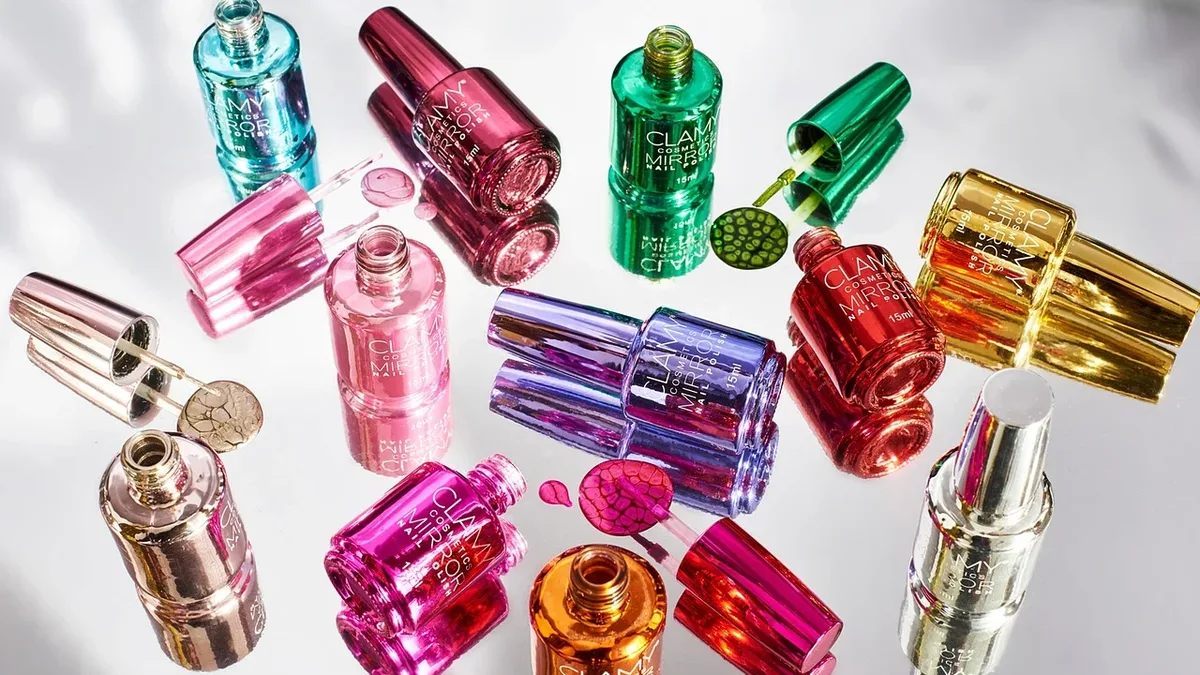
Jelly Nail Trend Drives 24,650% Search Surge
The sheer, translucent jelly nail trend, originating in Korea, is seeing massive online interest. A product gallery highlights 13 polishes and gels...
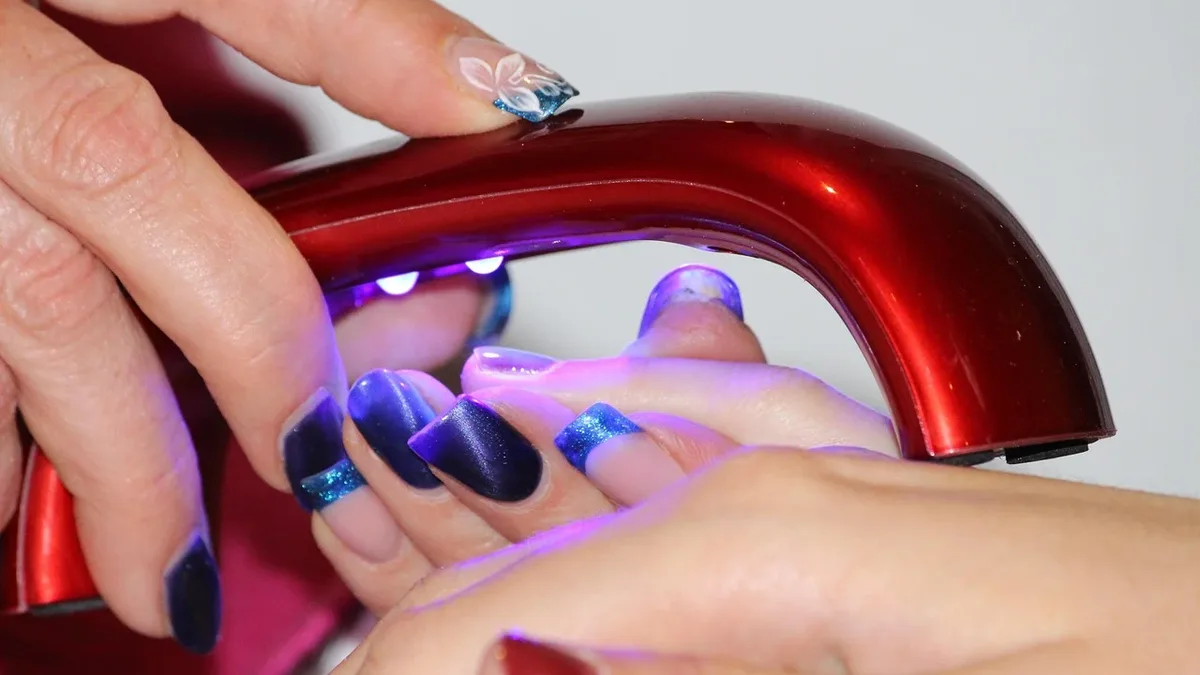
Fall 2026 Nail Trends Embrace Contradictory Styles
Nail artists forecast autumn 2026 trends that blend opposing aesthetics, from dark auras to jelly French manicures.